A Caring Practice · Part I
Palenque Notes
Tuning In
A Caring Practice is an ongoing design research project into contemporary maroonage. Beginning with an interest in ancient female maroon technologies across the Caribbean, the project gradually became an exploration of how ancestral knowledge continues to live through everyday practices of care, resistance, and intergenerational transmission.
A Frequency Carried in the Hands
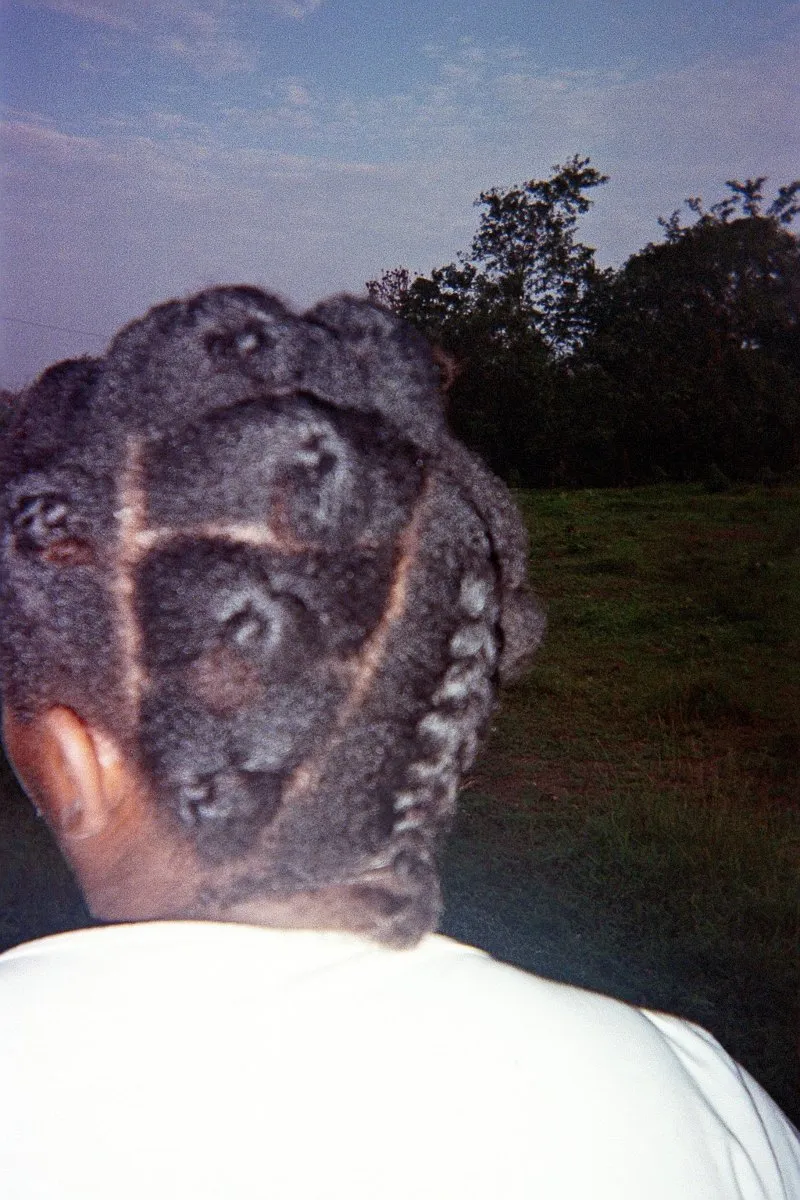
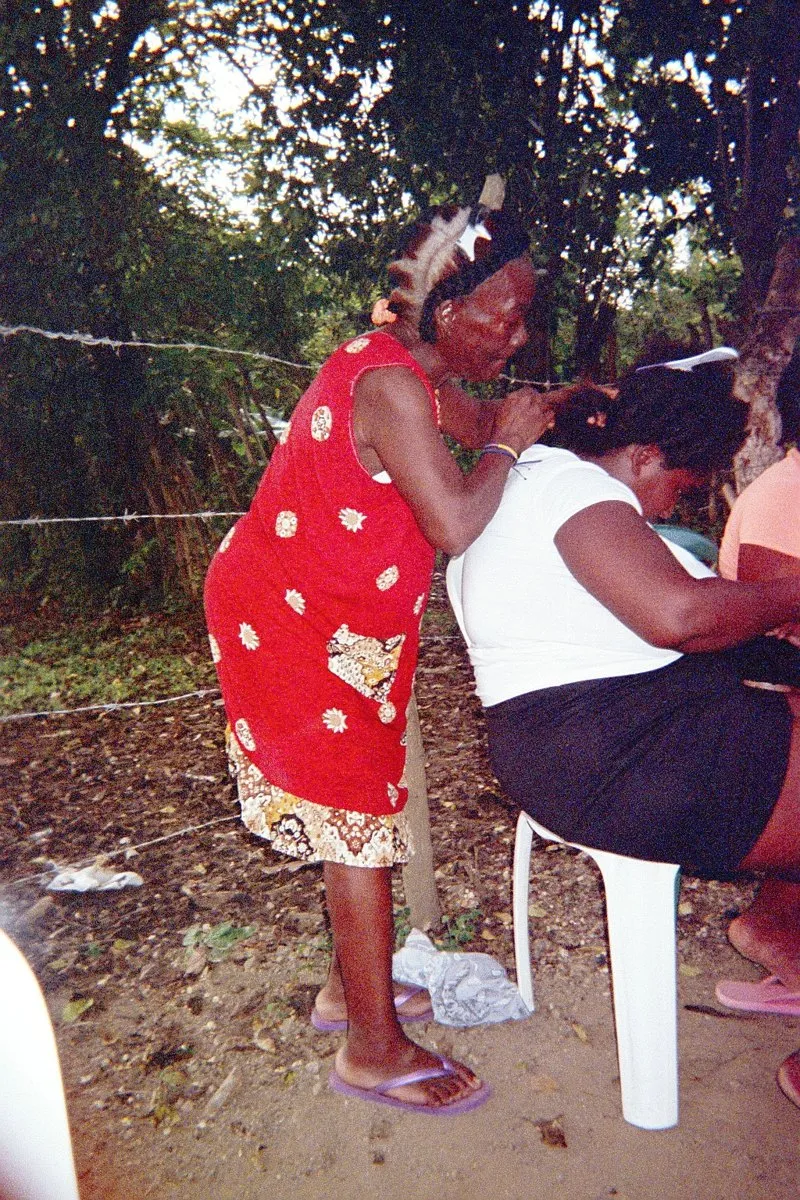
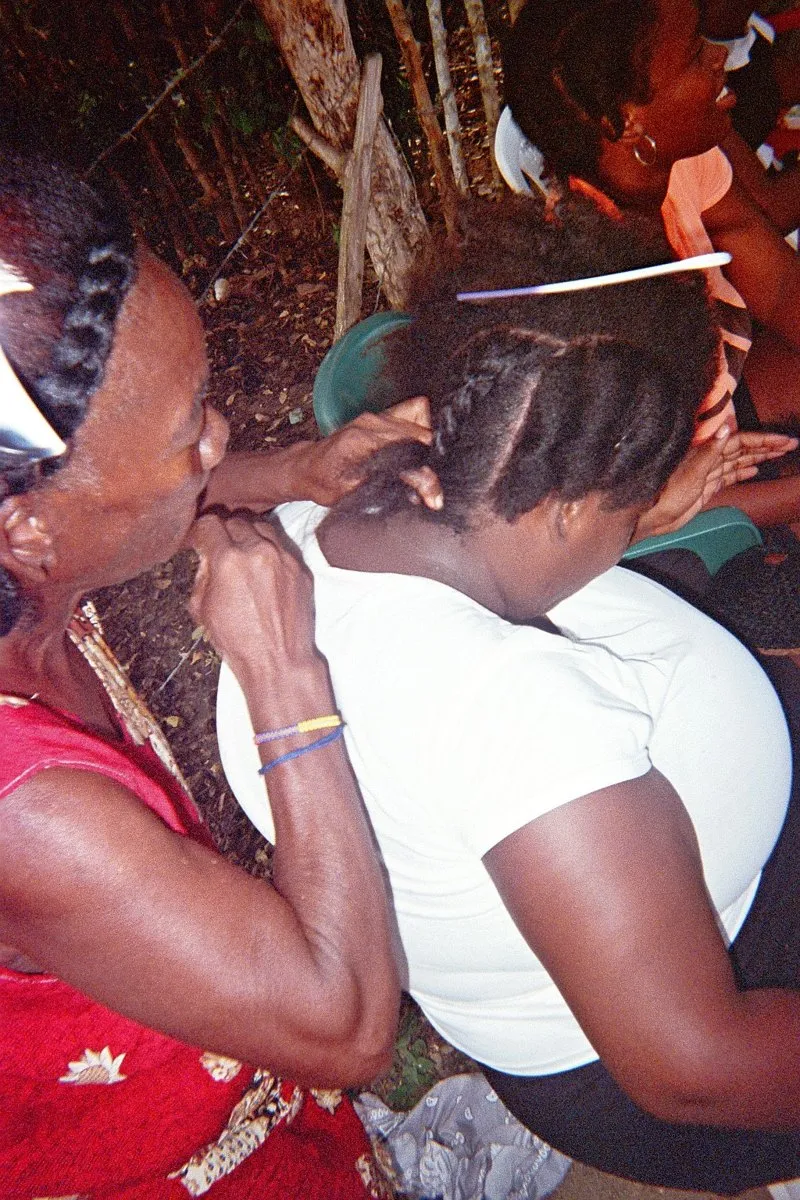
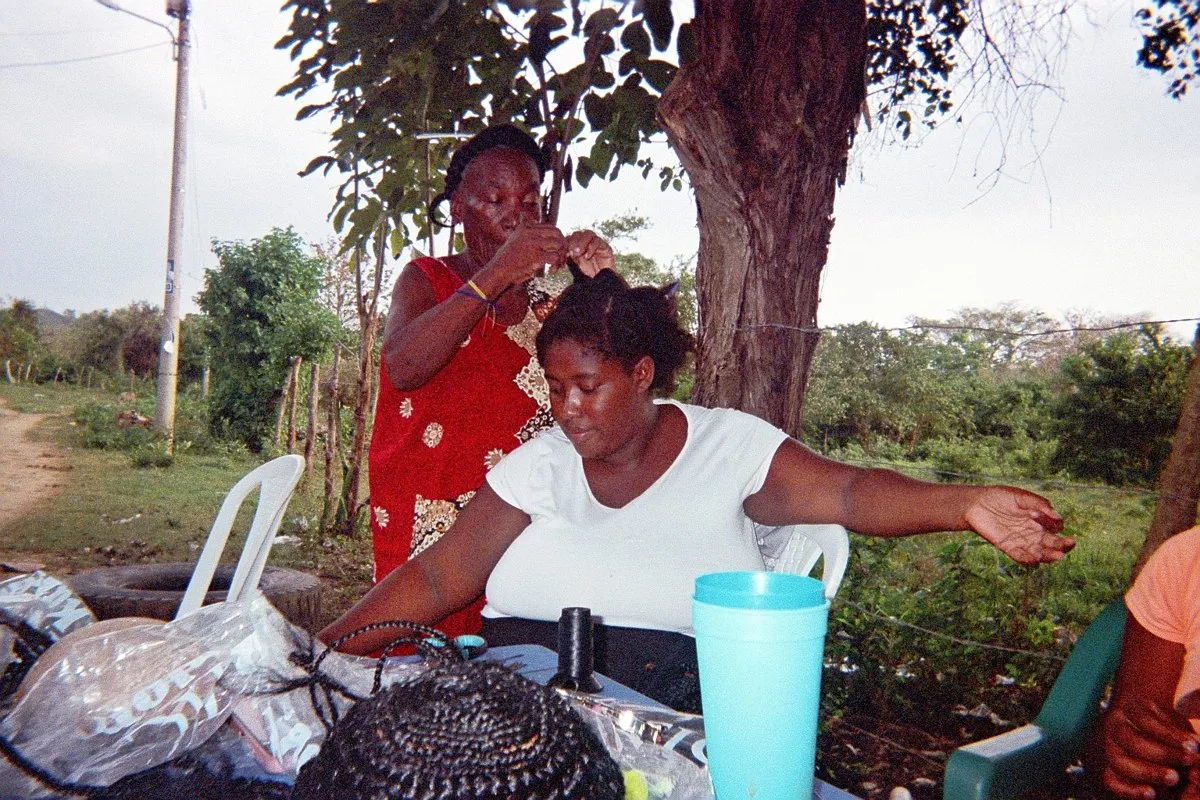
I became interested in braiding as an ancestral practice that carries memory, geography, spirituality, and survival. Rather than seeking to recover a forgotten history, I wanted to spend time with the knowledge that continues to be held and transmitted by women across generations. Through gestures of braiding, I began to understand how community processes, decolonial practices of care, and forms of survival are continuously woven into everyday life. My intention has been to closely listen to female maroon perspectives that have long remained at the margins of dominant European narratives and to allow these histories to occupy the centre of my spatial practice.
First Note: San Basilio de Palenque
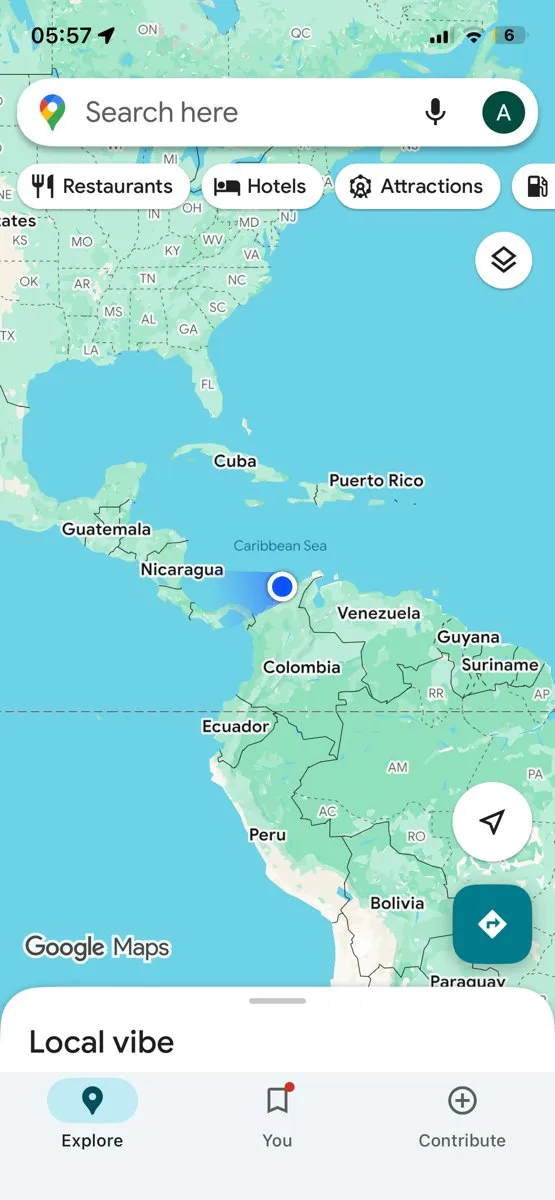
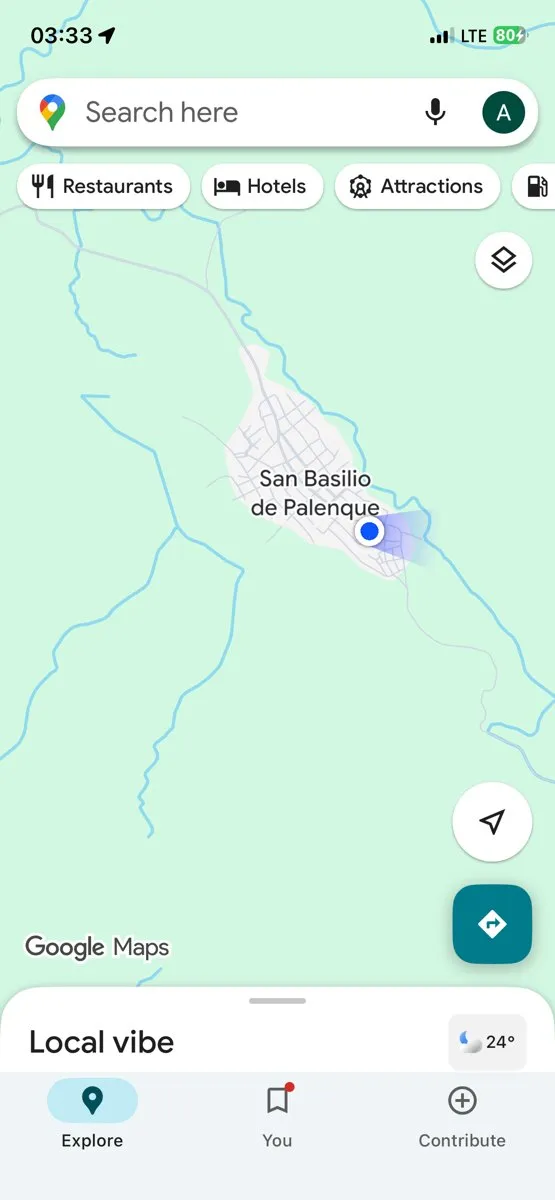
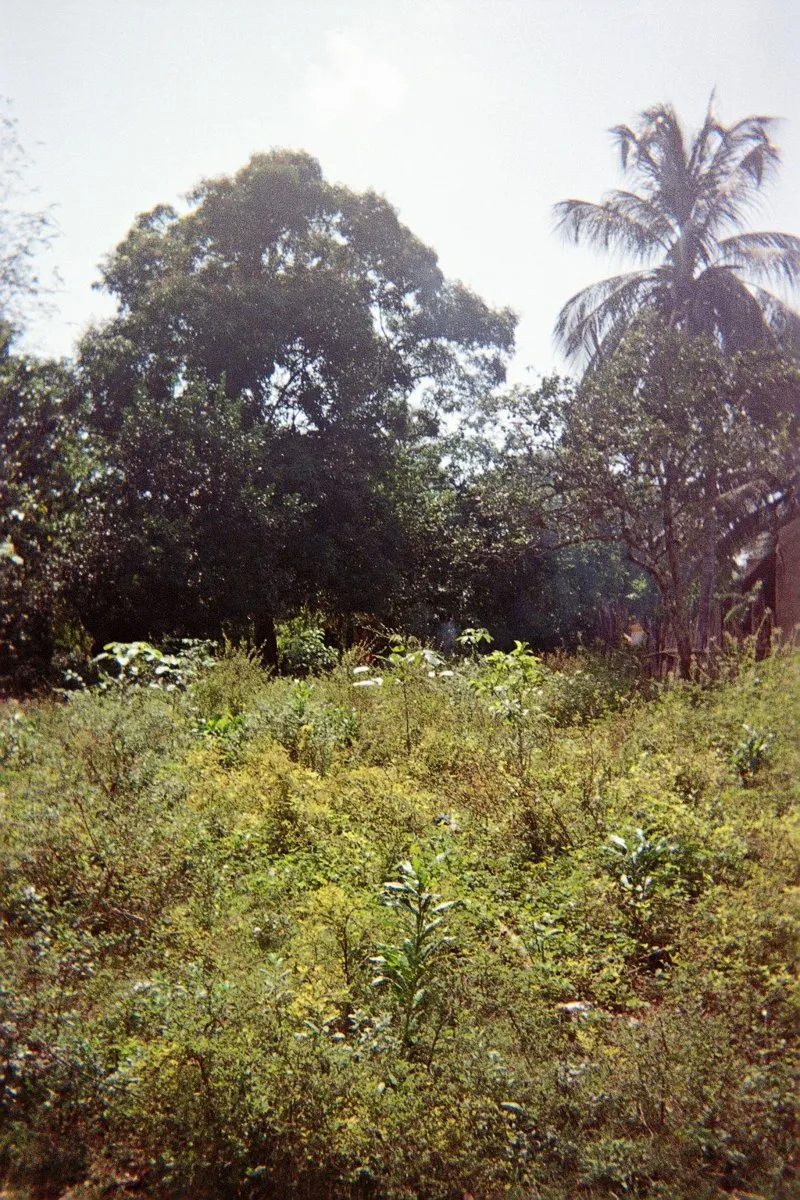
In May 2025, I travelled to San Basilio de Palenque (Colombia) the first maroon settlement in the Americas to secure its freedom from colonial rule in the seventeenth century. Situated fifty-five kilometres from Cartagena de Indias (Colombia), Palenque became the starting point of this research.
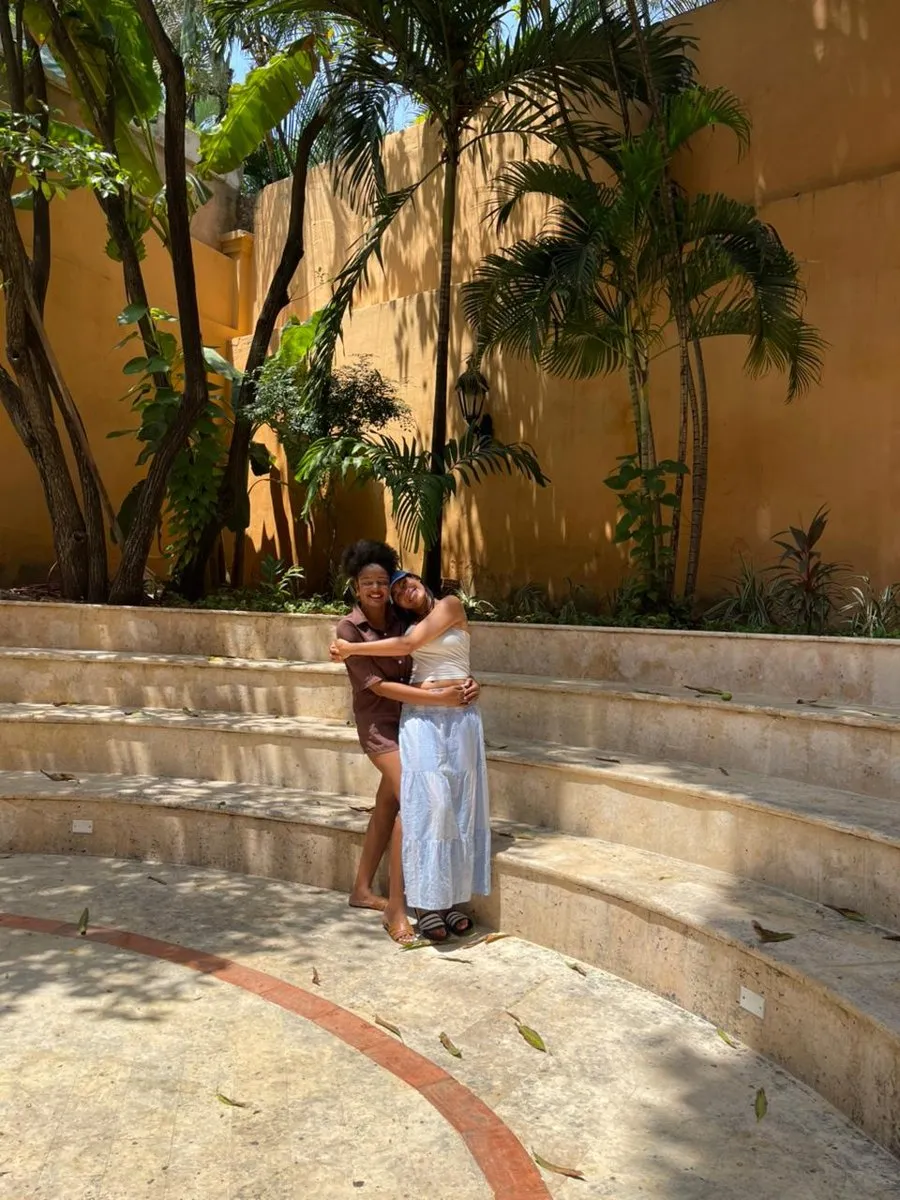
I had the privilege of experiencing the village through the eyes and memories of Afro-Colombian writer Rosmery Armenteros Herrera, whose late mother was from the village. Through her generosity, she introduced me to friends, family, and members of the community who welcomed me into their everyday lives. I came with the intention of learning from the material and immaterial knowledge systems that continue to shape life onsite. I was interested in the ways meaning is transmitted outside and alongside dominant structures, and in understanding how ancestral knowledge continues to sustain the community, not only as memory of the past, but as a force that shapes the lives of contemporary descendants of the Maroons.
Walking in Circles, Listening More Than Speaking
I spent my days tuning in: moving between conversations, interviews, long walks, and slowly building a 3D scan archive of everyday spaces and objects. I listened more than I spoke. Walking in circles became part of the methodology. This practice of attentive listening broadened my perspective and invited me to move at the rhythm of the place rather than my own. I found myself in disbelief in the most beautiful way: I was sharing time with contemporary Maroons who belong to the same generation as I do.
Call and Response: El Semillero Colectivo La Reina del Congo
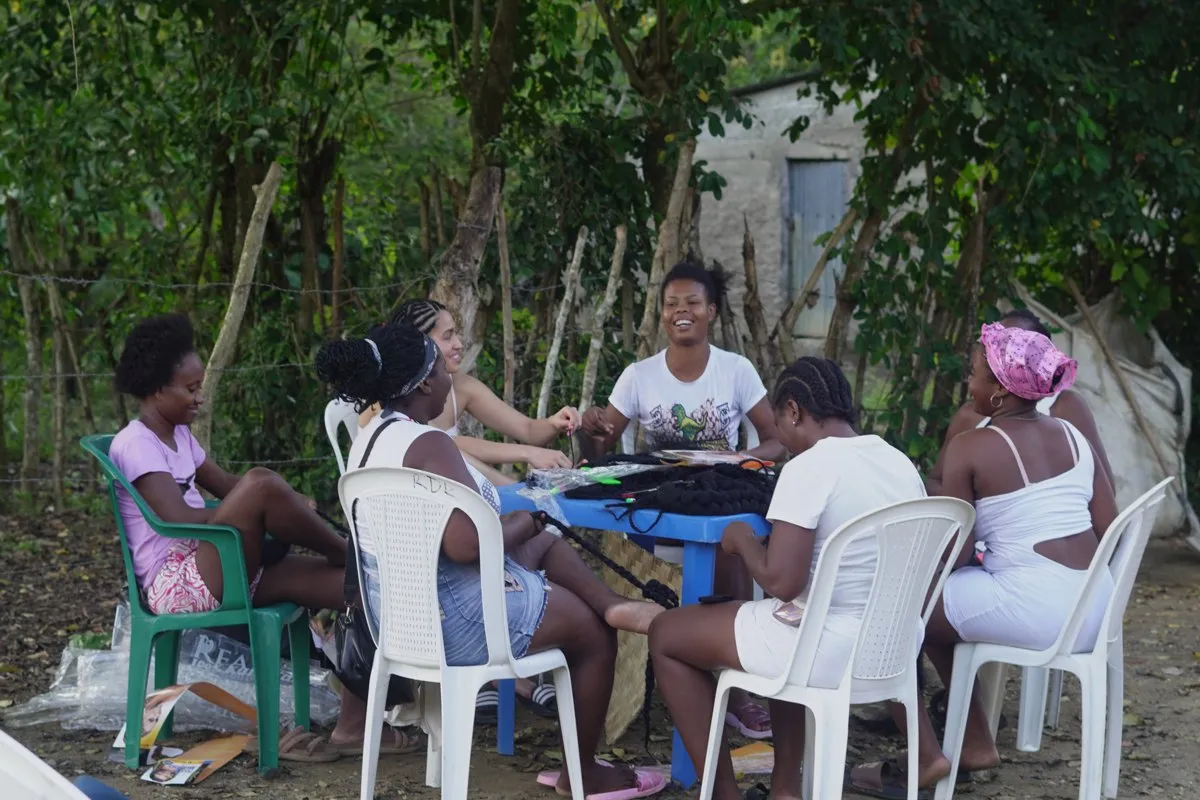
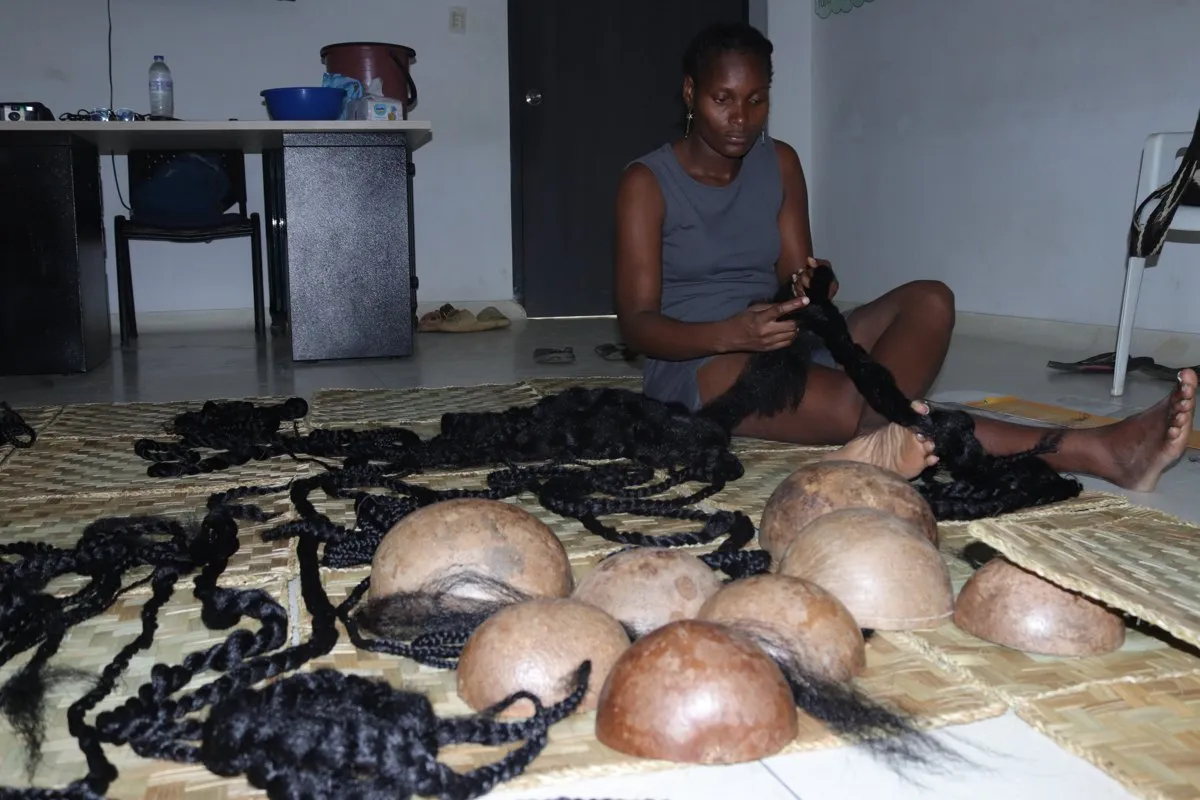
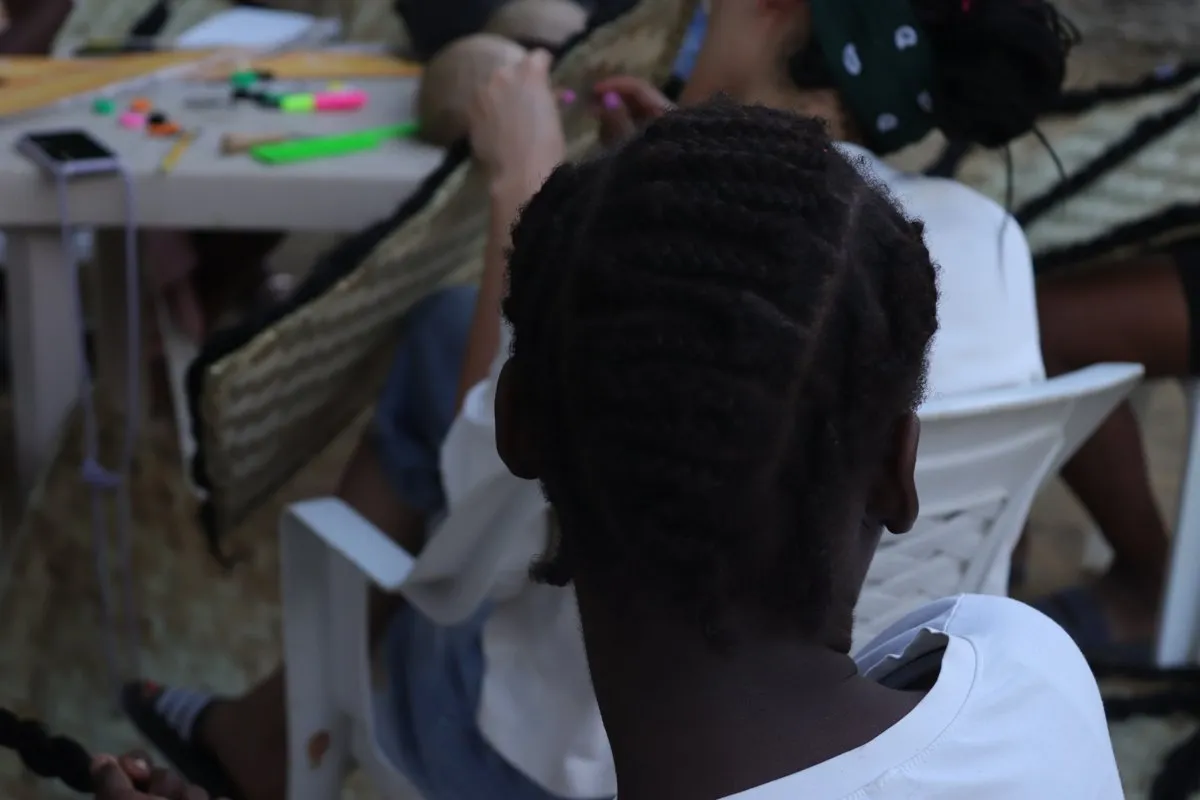
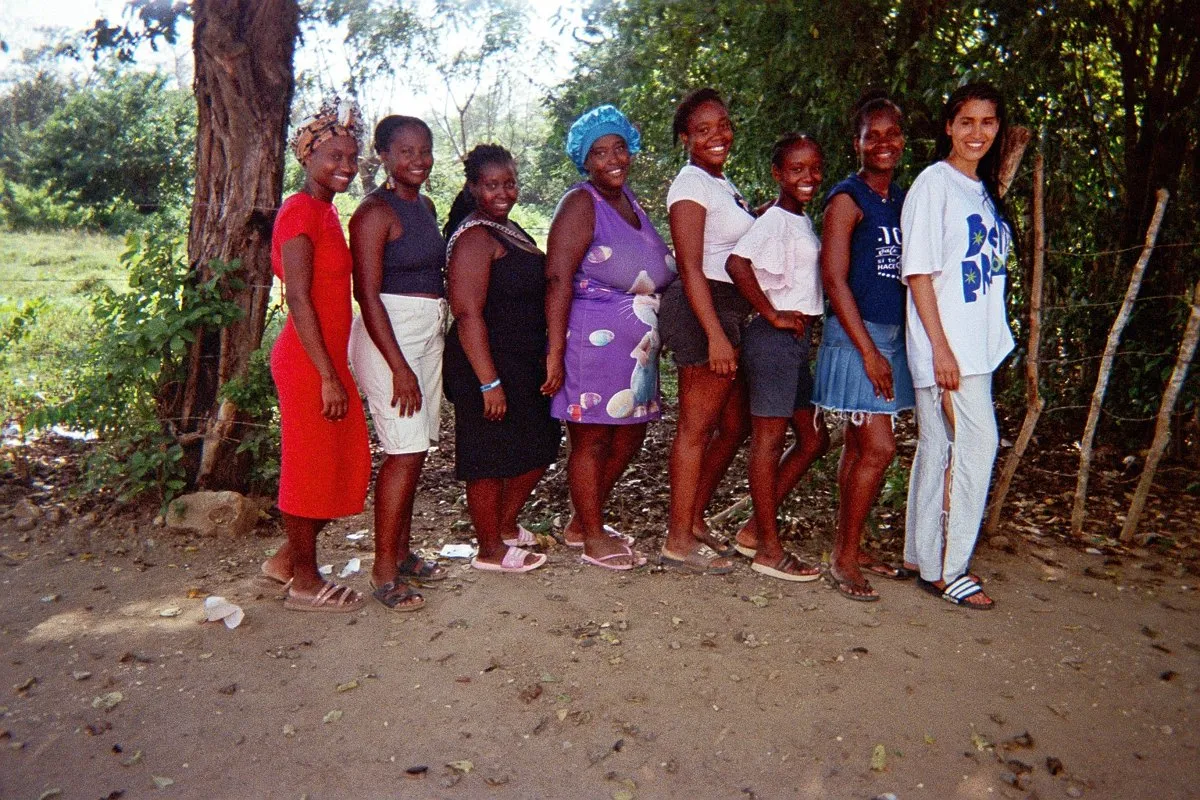
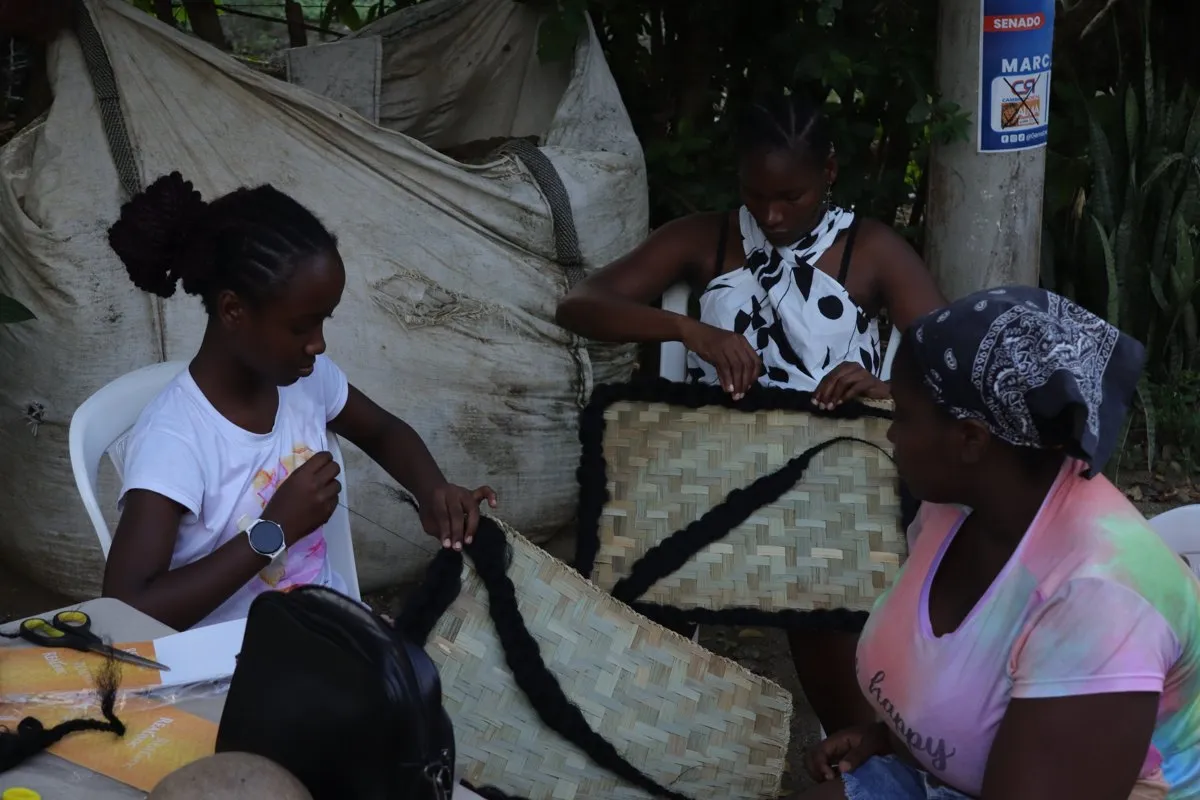
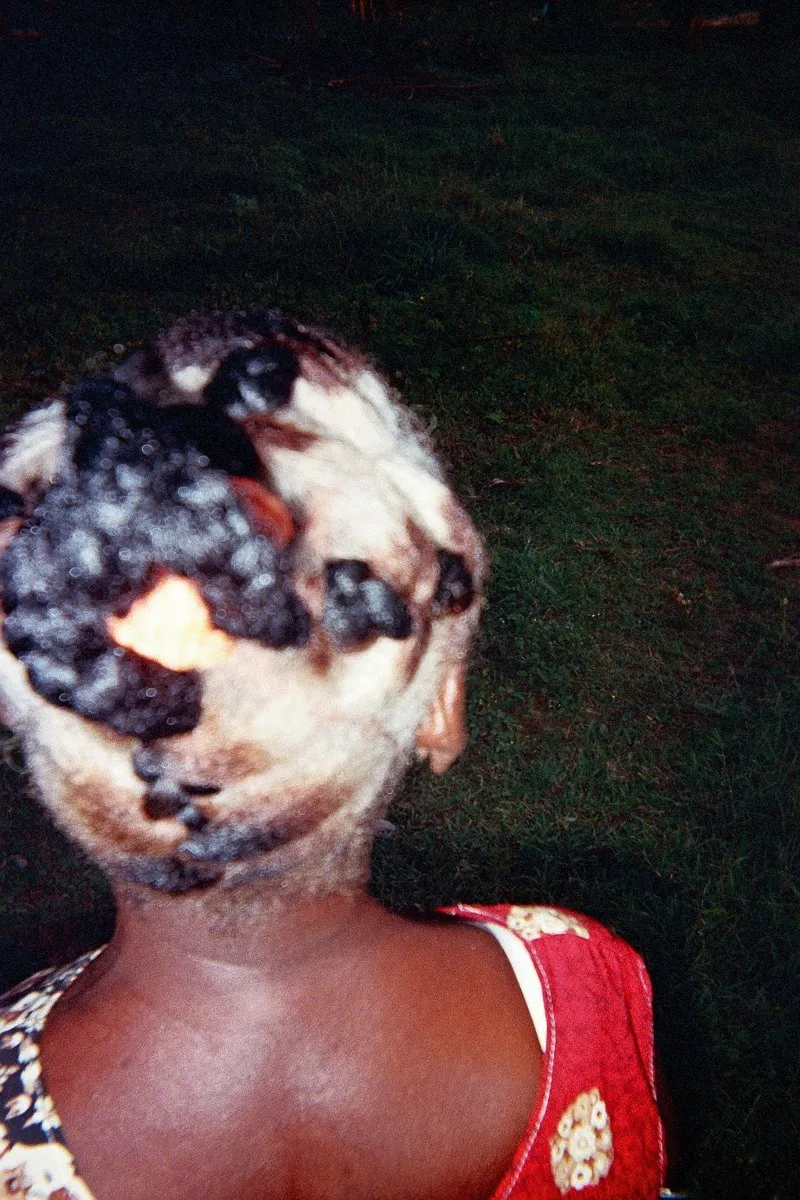
After this first encounter, it became clear that I wanted the project to take shape in the Caribbean. Following conversations with Élida Cañate Díaz, leader of El Semillero Colectivo La Reina del Congo, whom I met during my first visit, I returned to Palenque in February 2026 to co-lead an intergenerational workshop alongside this remarkable group of women. Their practices of care and resistance continue to be safeguarded through ancestral hairstyling traditions that shapeshift whilst preserving their roots.
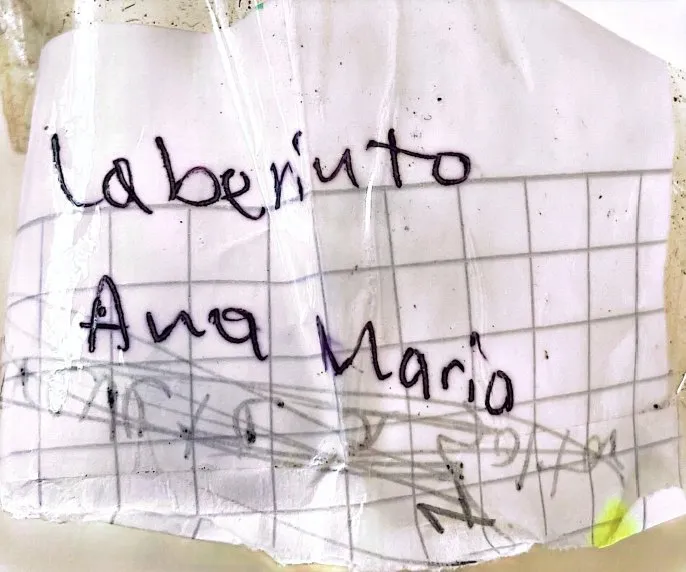
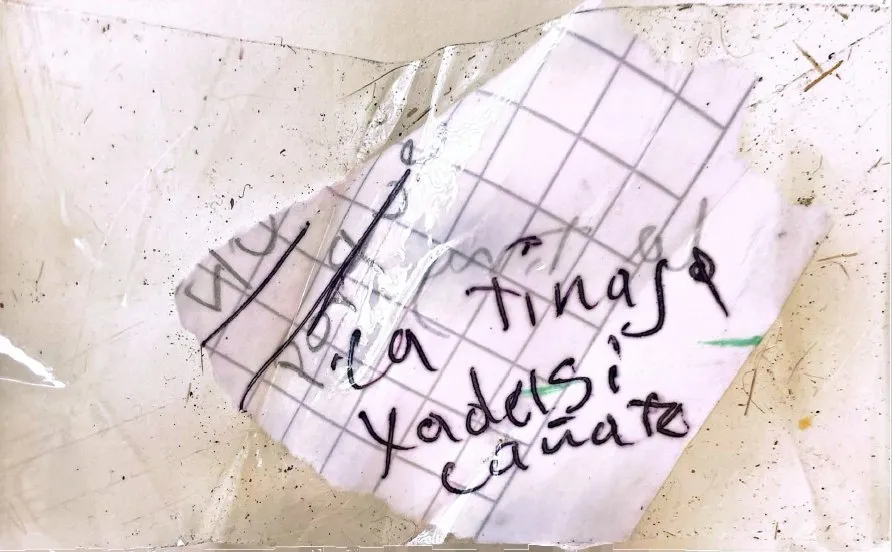
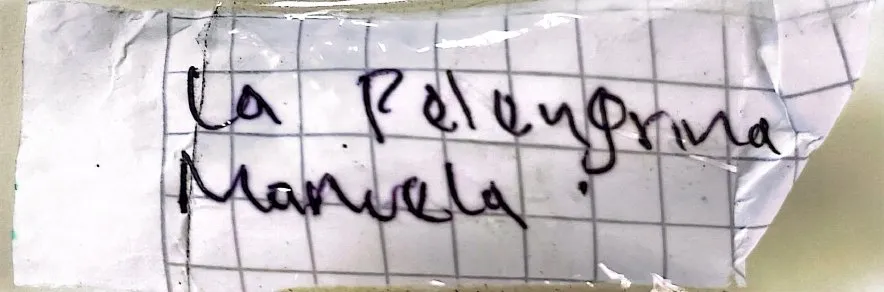
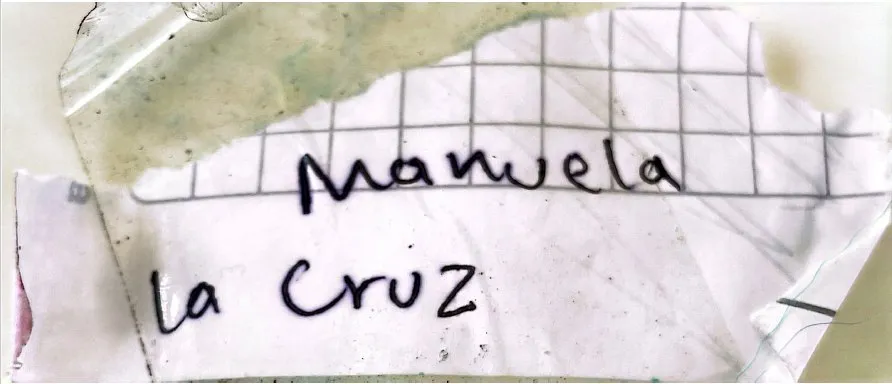
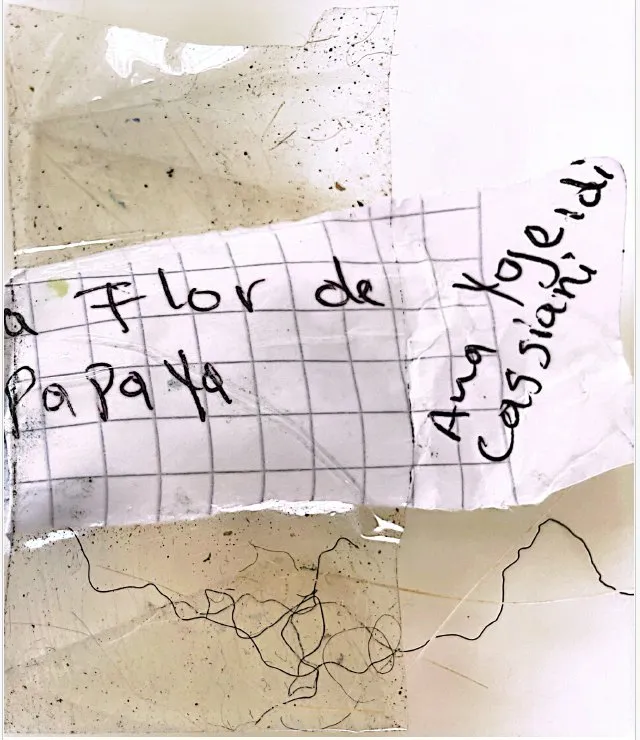
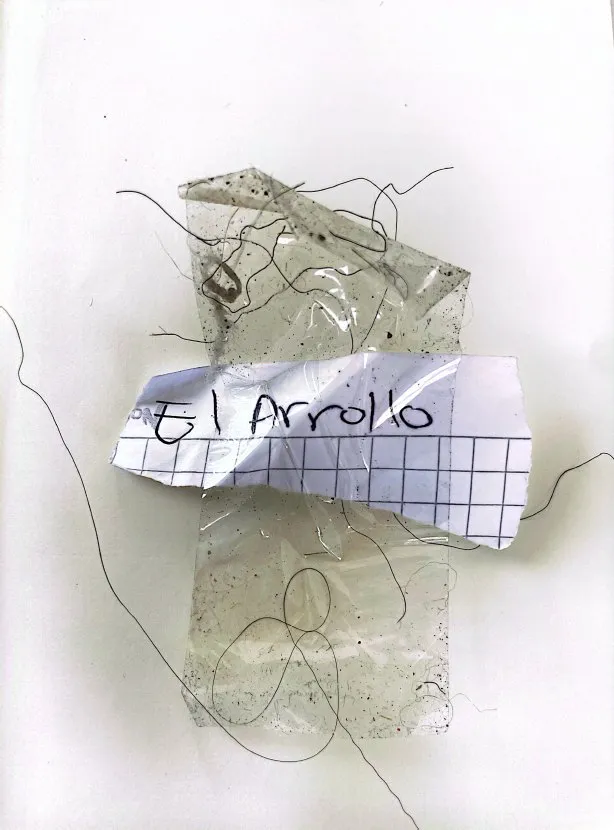
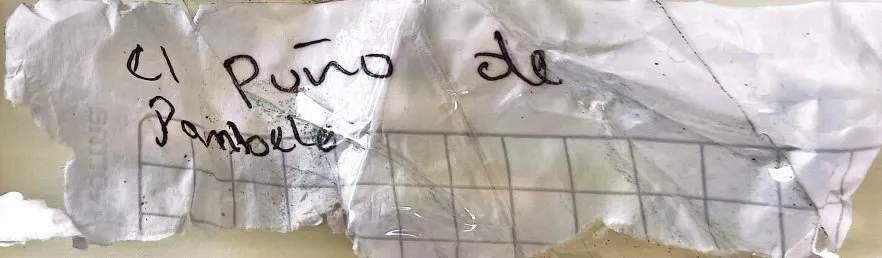
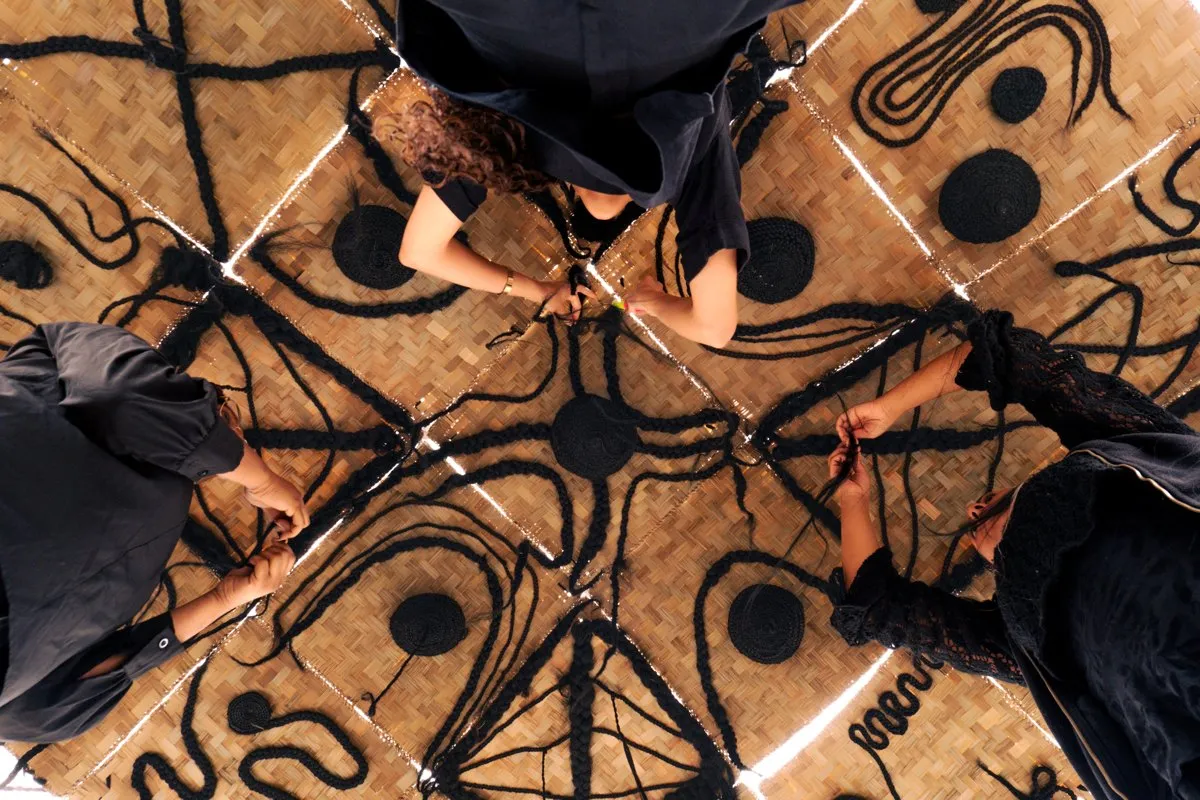
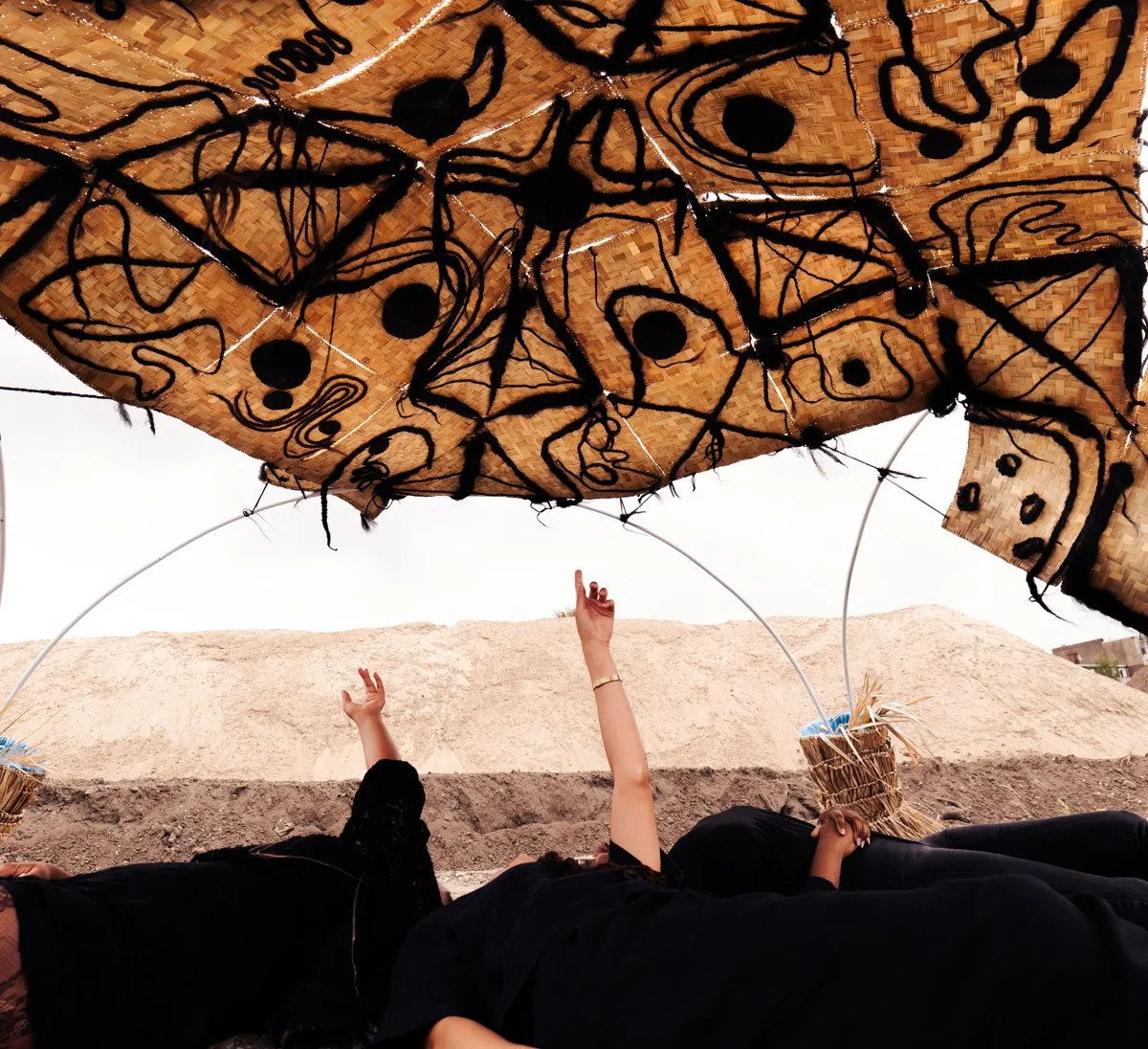
These braiding workshops have resulted in a logbook, a compilation of experiences and places in the shape of an altillo or palenquero shed.
The Altillo, a Chamber of Resonance
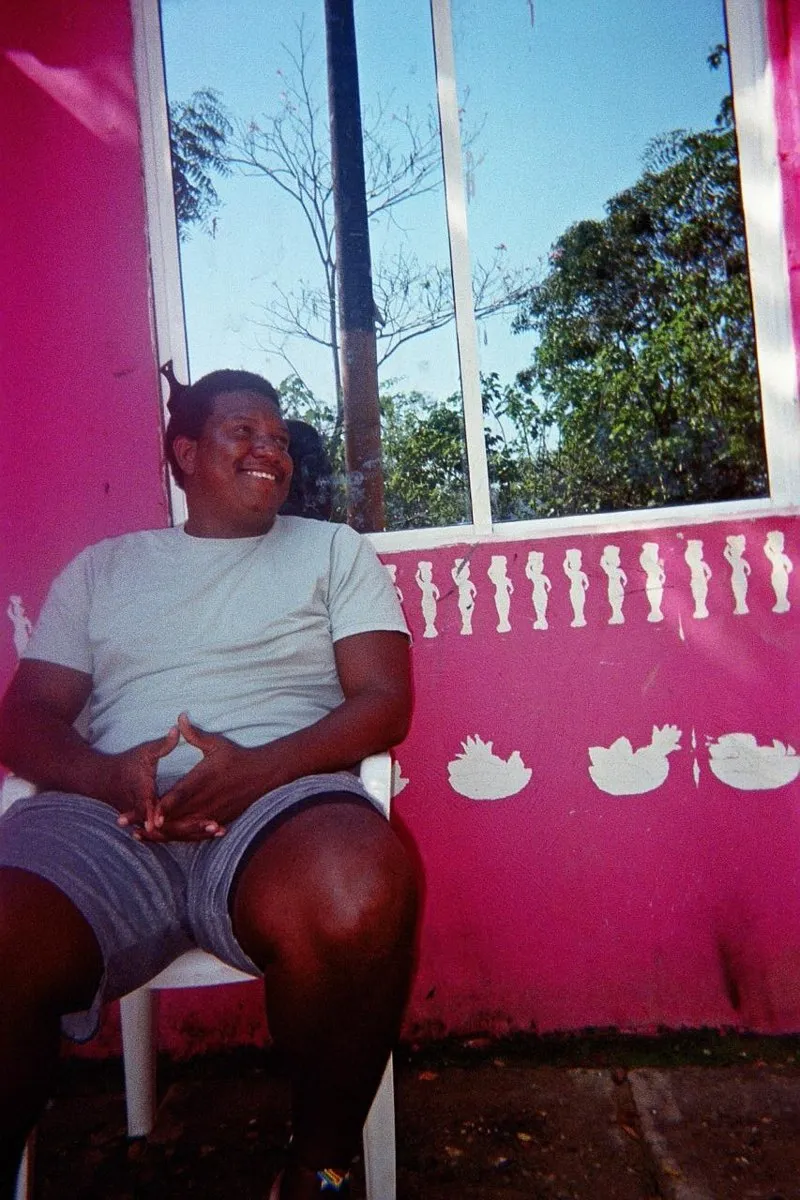
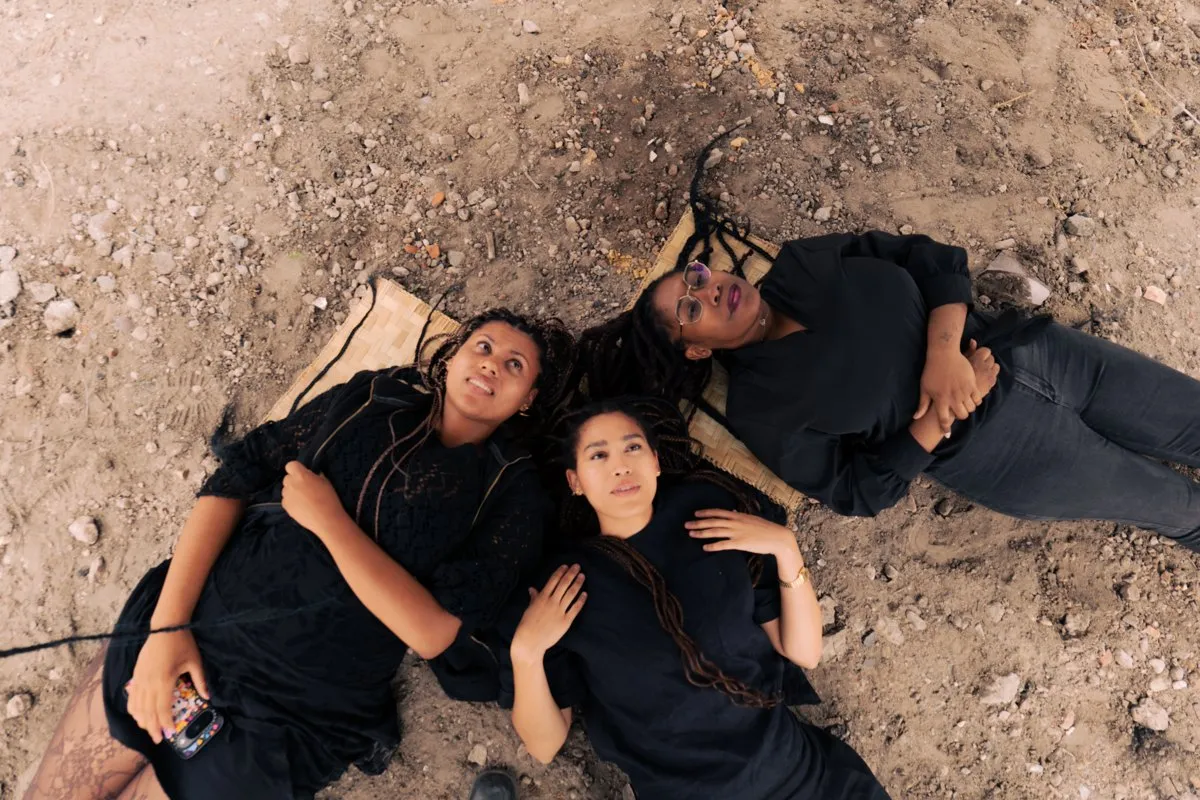
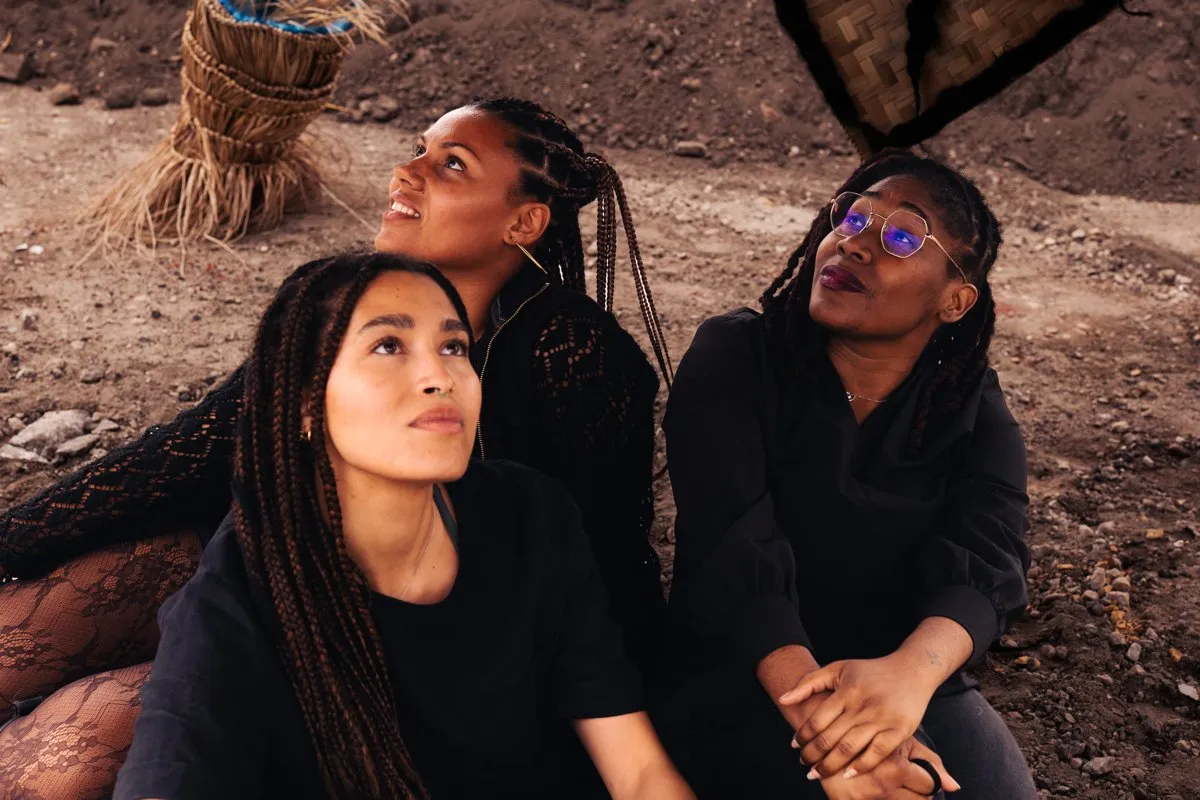
During this period, I also worked alongside architect Tomás Elías Cassiani Márquez, who introduced me to the principles of ancestral Palenque architecture and to the concept of the Altillo, a raised palenquero shed that has hidden pockets in the ceiling and serves as a communal gathering space, where people sit together and enjoy each other’s company beneath it.
Tuning to Another Climate
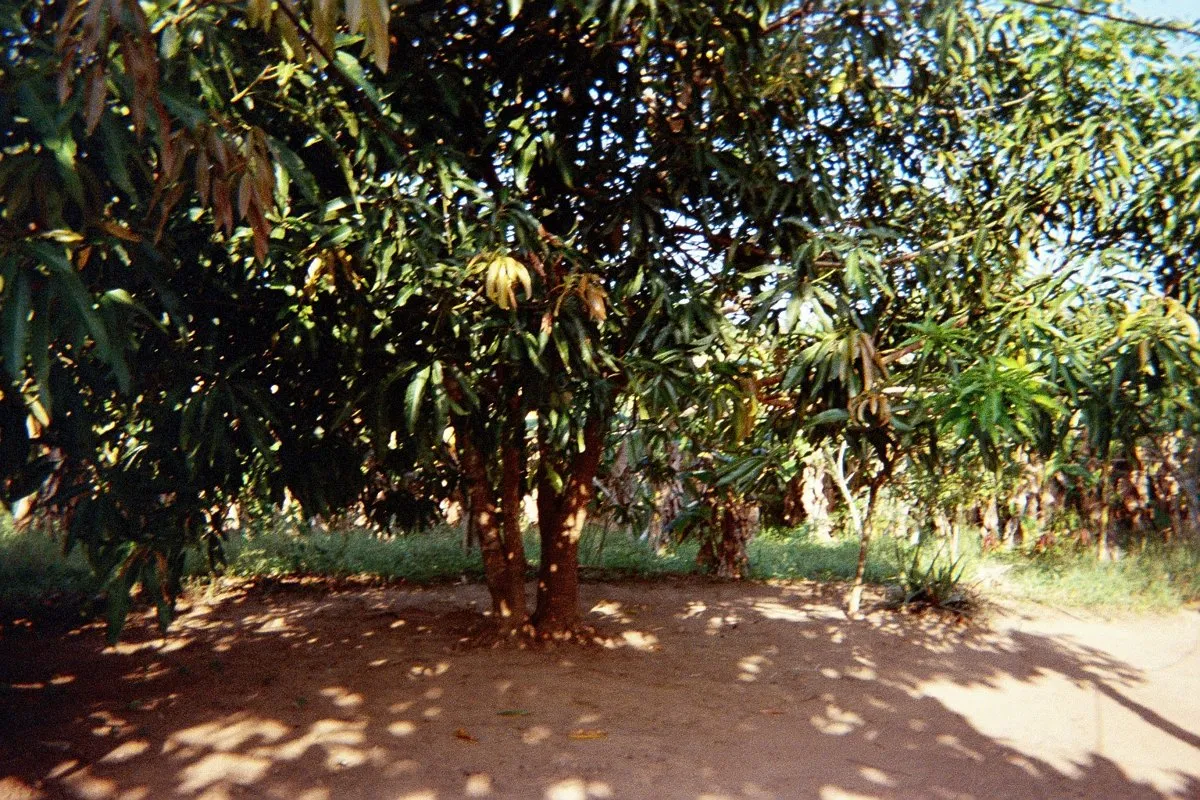
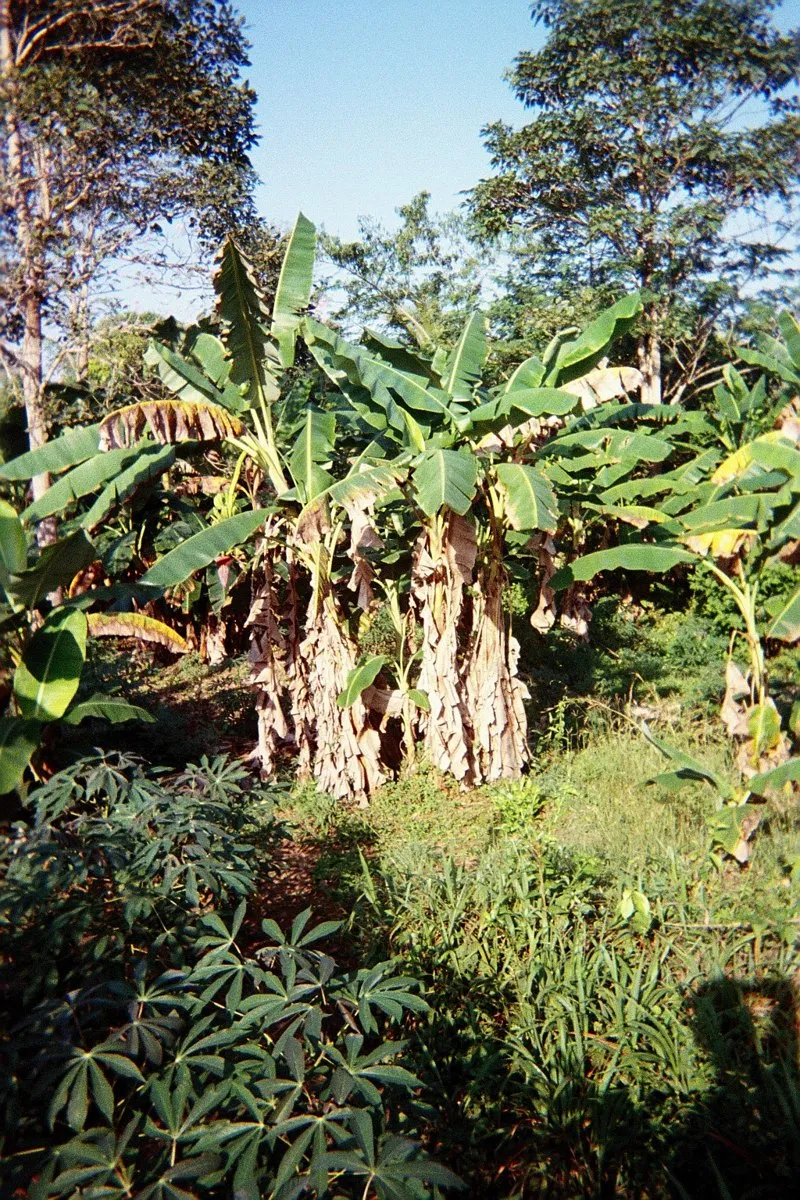
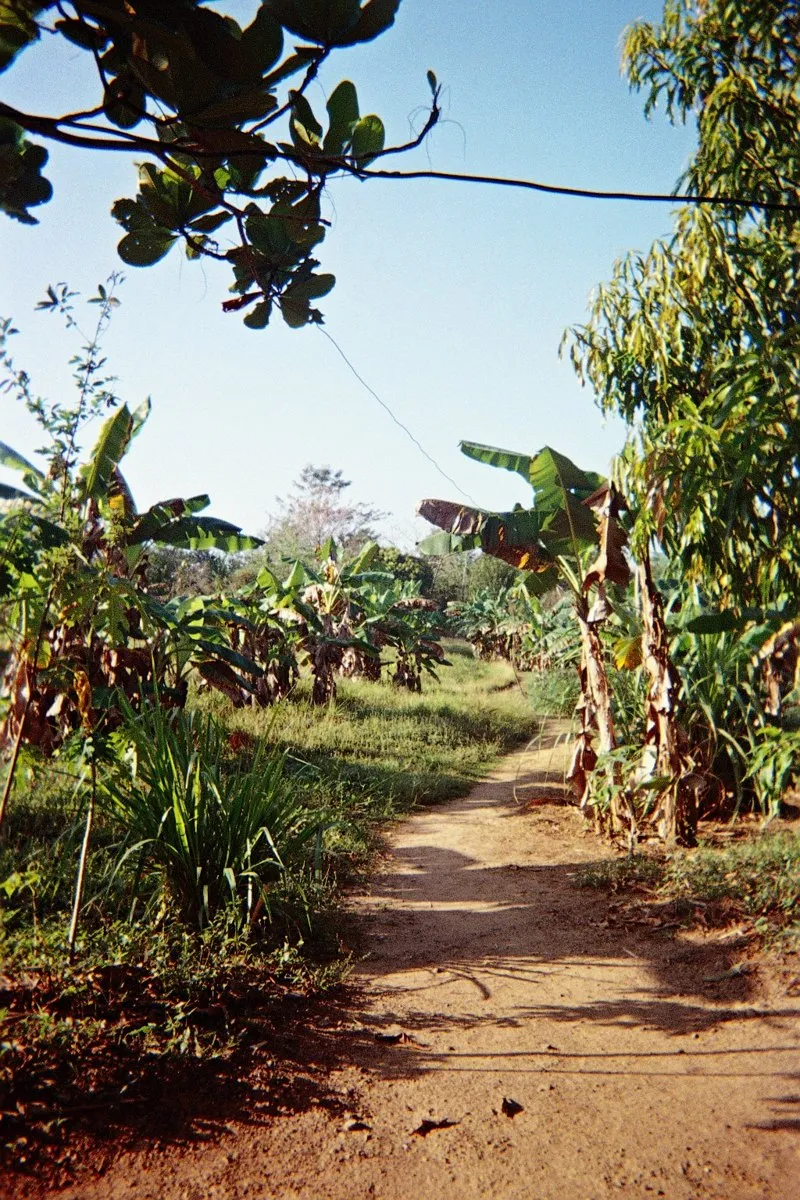
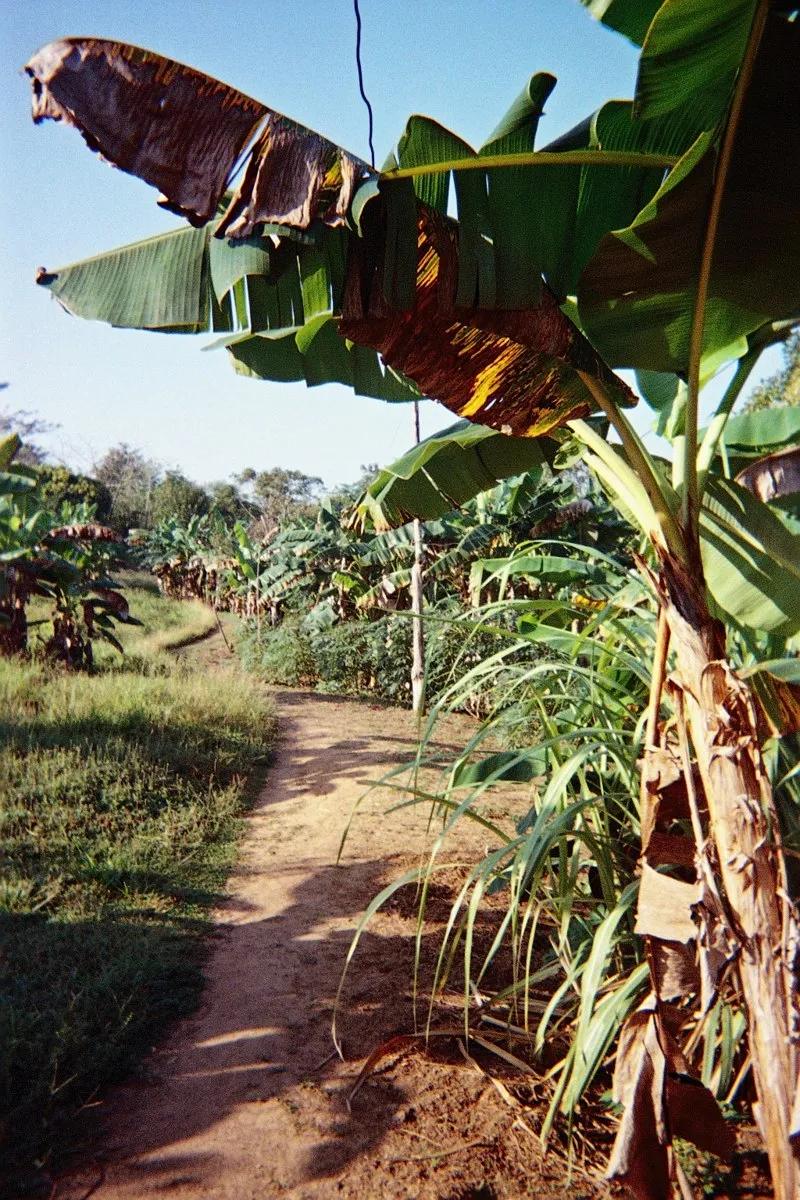
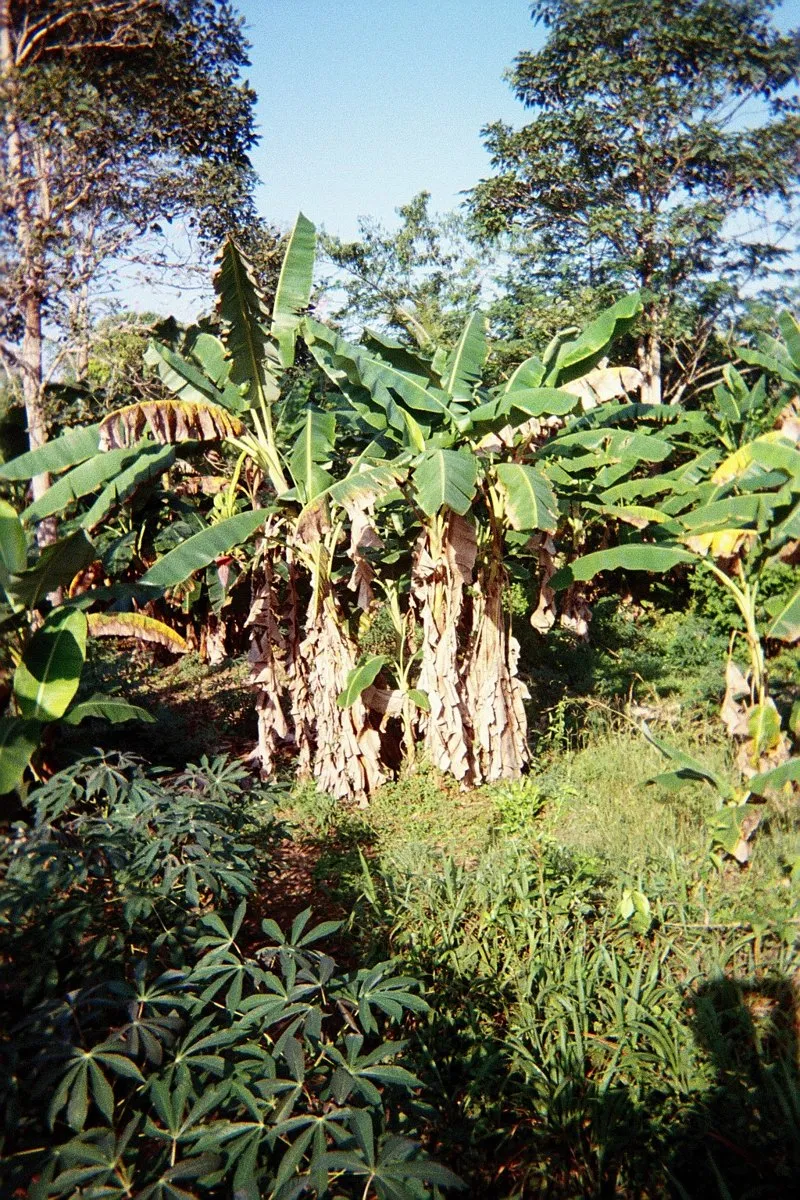
Returning to the Global South was also a personal movement. I wanted to position myself differently, to connect with the temperature, the mountains, the flora, the fauna, the people, and, in some way, with my own roots. I’m still pinching myself. I had the privilege of working alongside members of the first maroon community in the Americas.
Seven Days in Unison
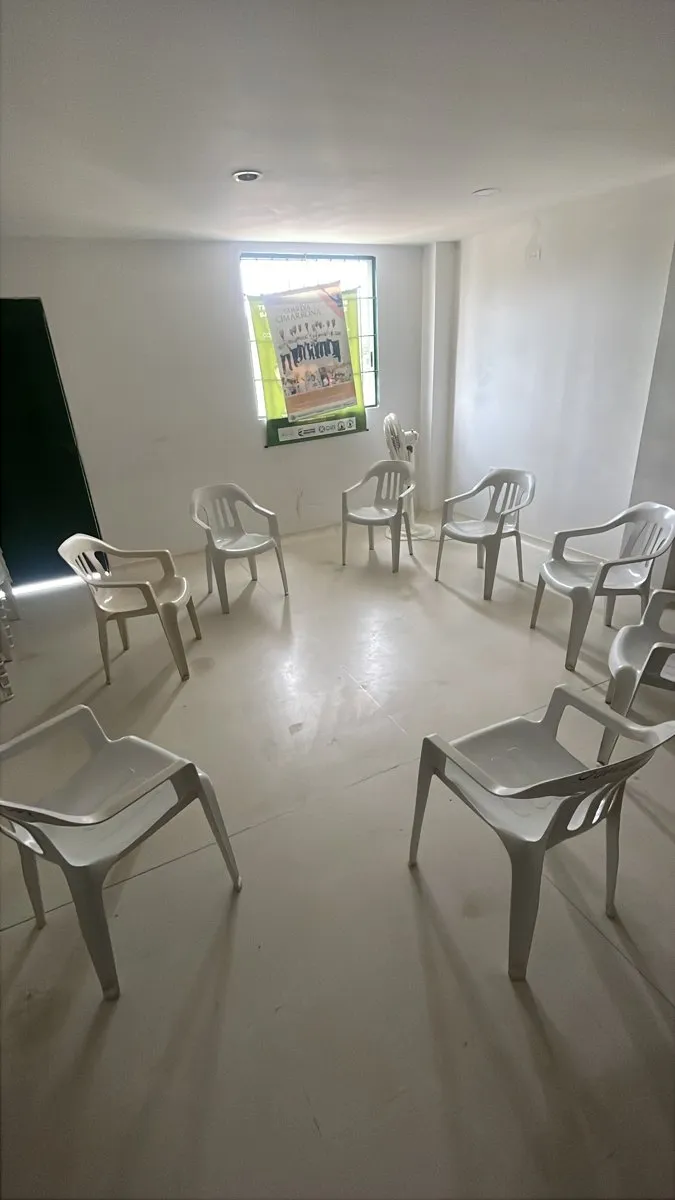
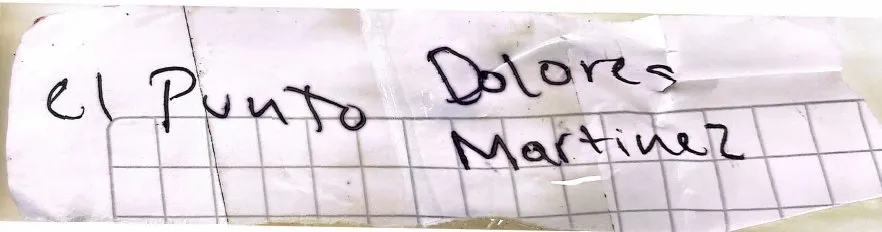
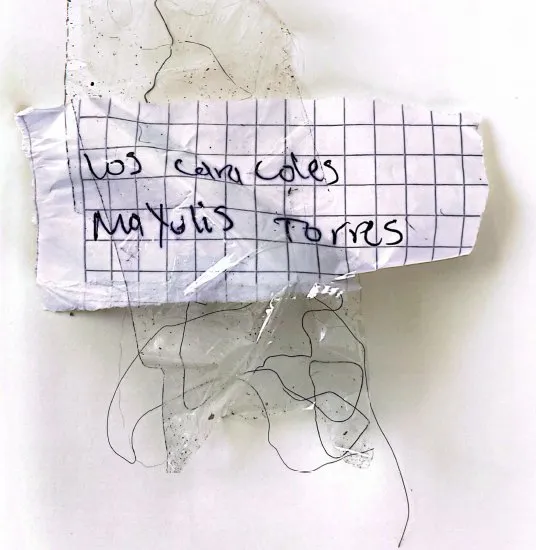
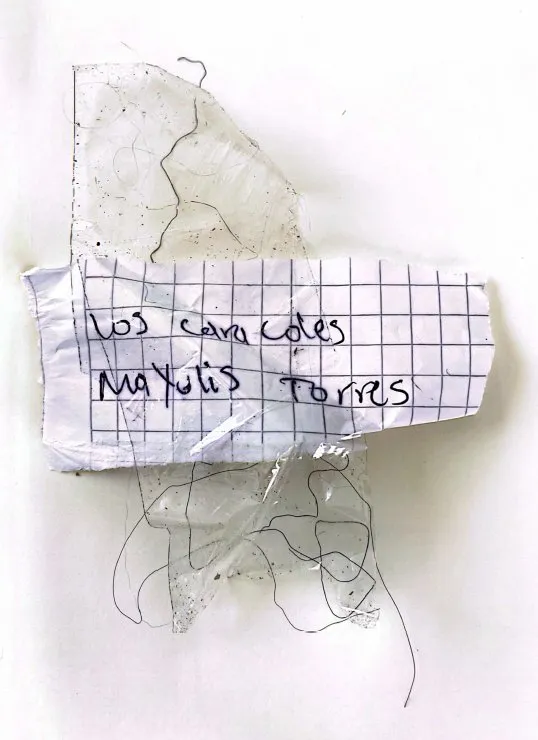
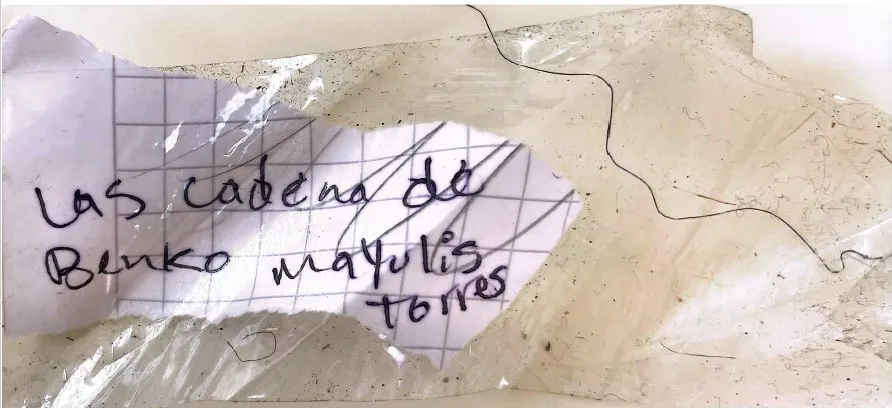
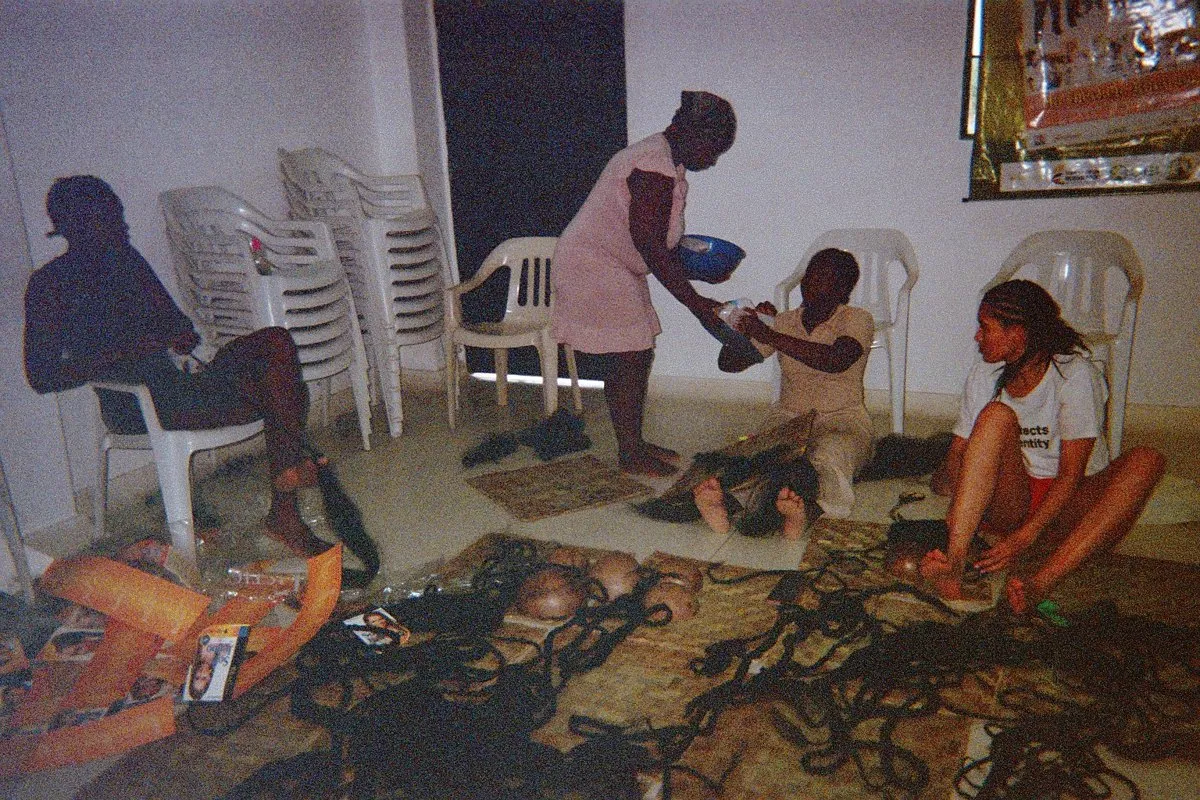
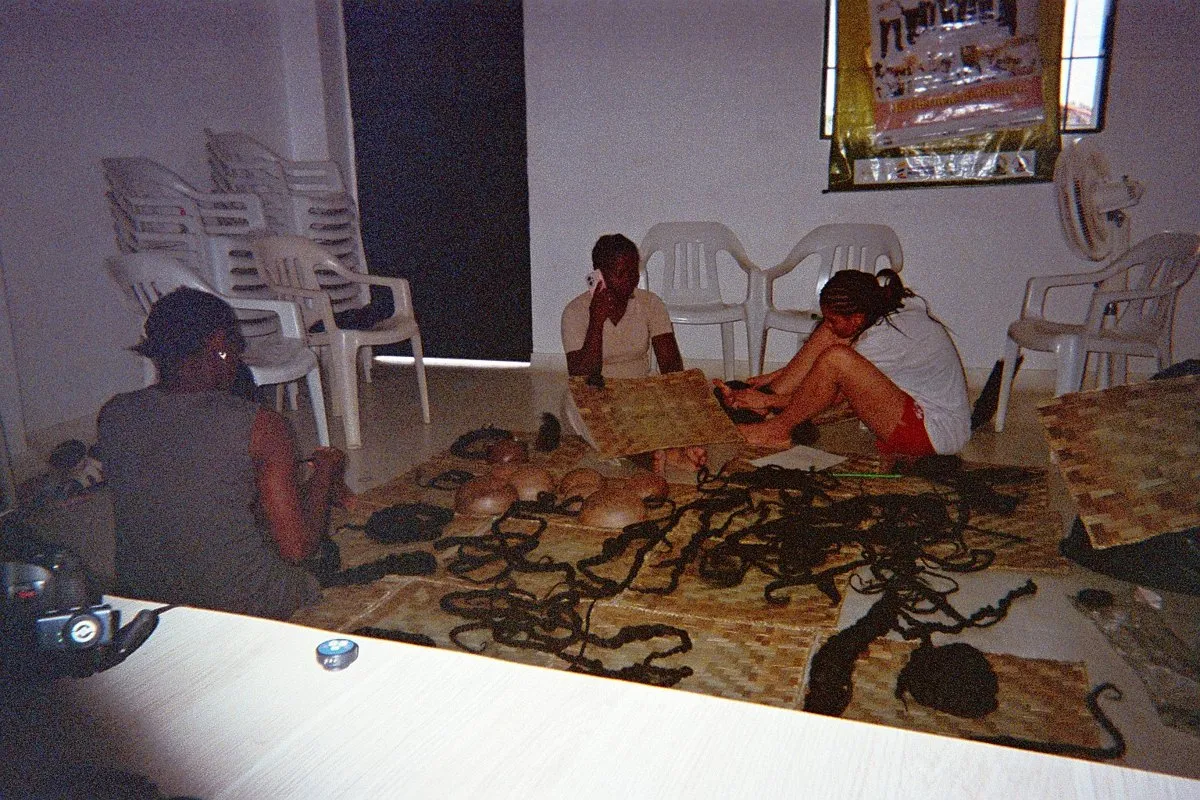
Over the course of seven days, we collectively weaved an intergenerational logbook through the practice of braiding. What emerged organically became a braided map of how girls and women perceived their surroundings, relationships, and histories. The workshop became a space where knowledge could move between generations.
A Sound That Has Not Stopped
I’ve learned that in Palenque, ancestral knowledge is not simply a repository of the past. It is a living force that continues to sustain community identity, governance, resilience, and intergenerational continuity. Without it, the social fabric that holds the community together would be much weaker.
A Chorus of Hands
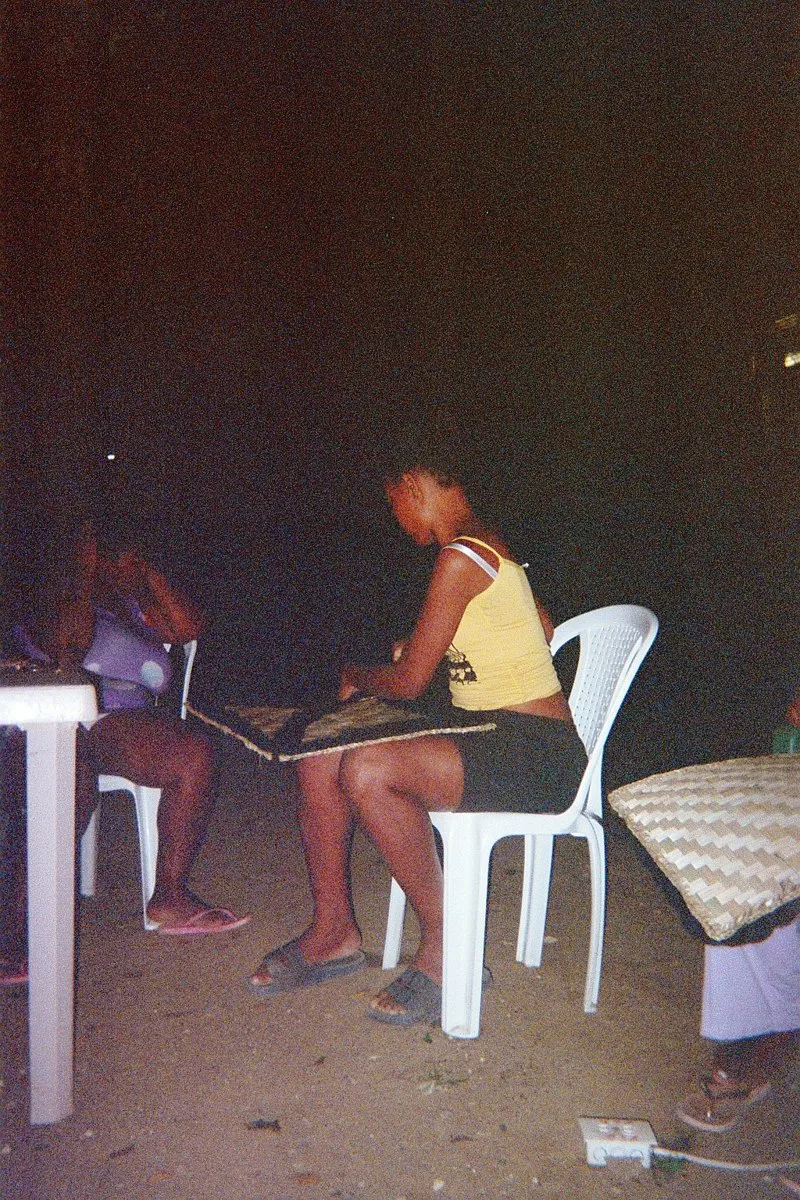
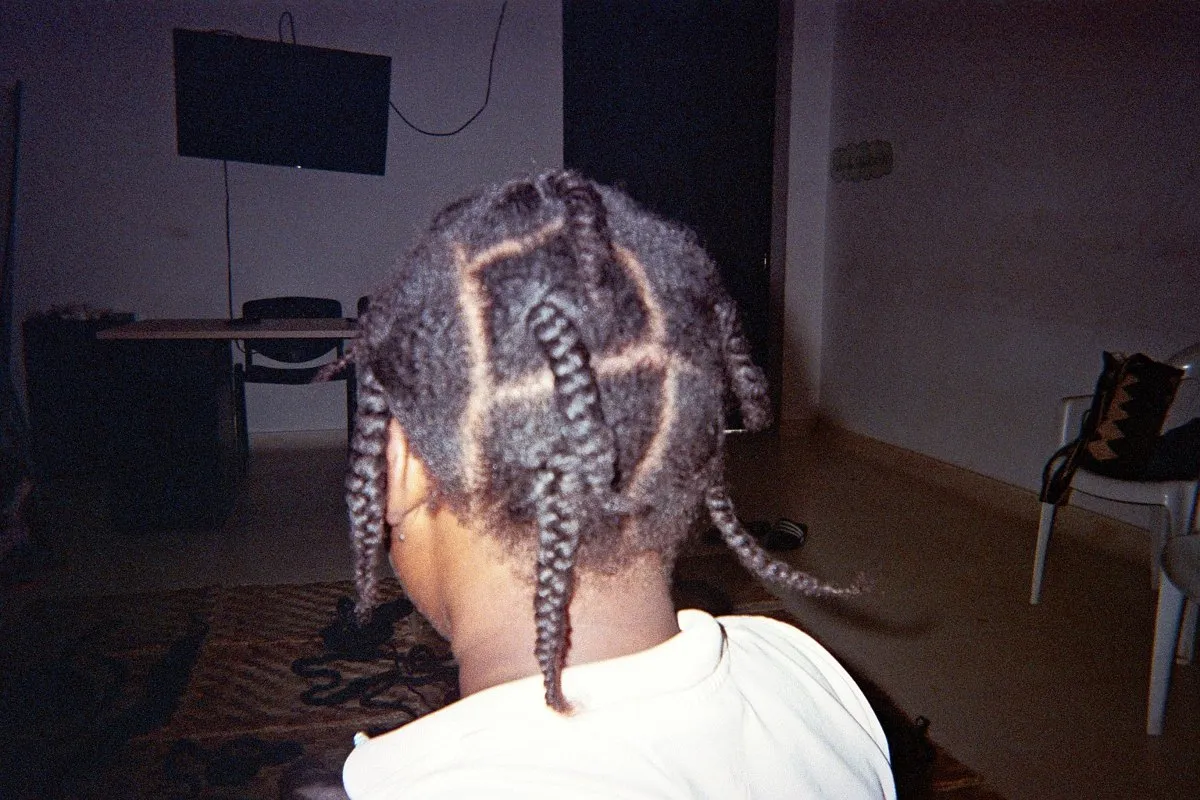
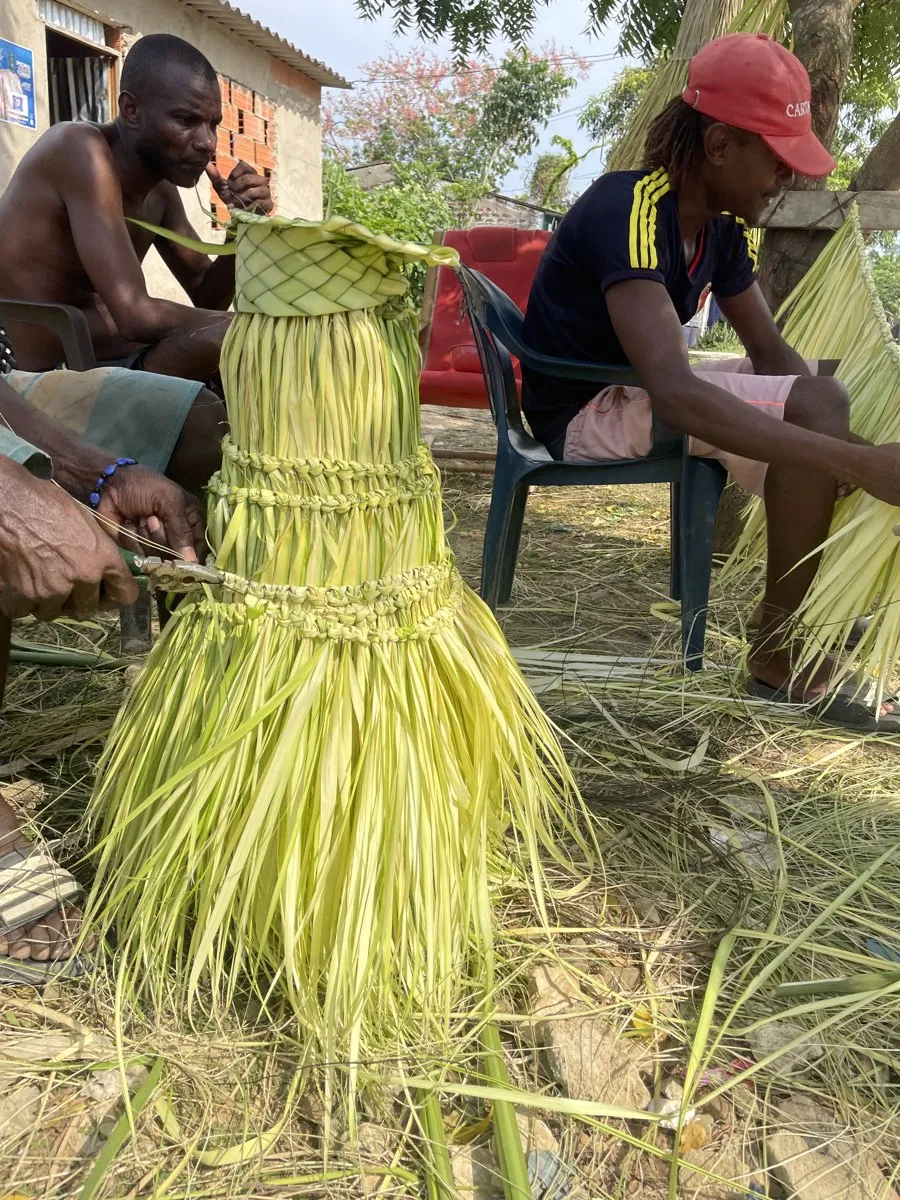
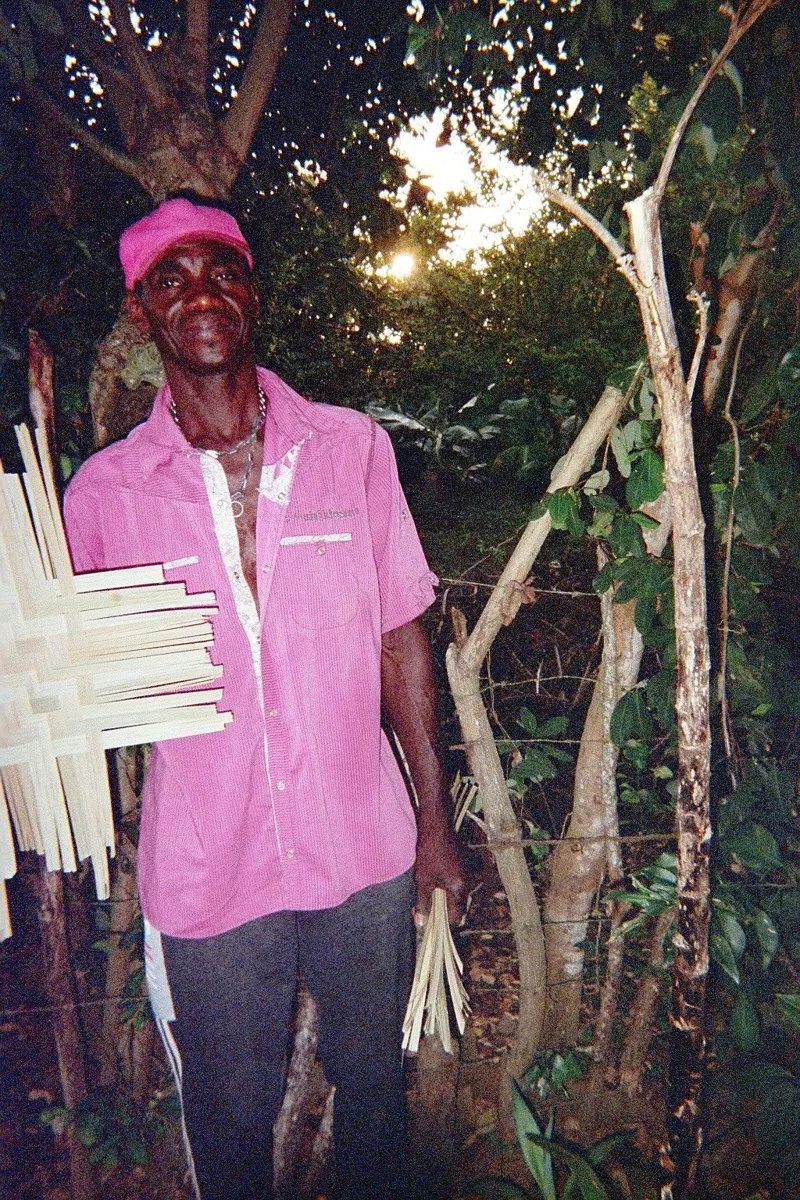
As my time in Palenque unfolded, I realised that everyone braided. Hair, natural fibres, or everyday material braiding appeared everywhere. It revealed itself as a living body of knowledge, constantly moving, transforming, changing names, adapting to new circumstances. Sometimes its function is spiritual, offering protection; at other moments it becomes mundane, as in the making of a rice sieve. Braiding is continuously reinterpreted while remaining rooted in ancestral knowledge.
For the community, braiding is an everyday act of remembrance. For me, it became a way of following those who shapeshift through gesture, rhythm, sound, and silence. It became an invitation to learn from a maroon philosophy of care and resistance carried through the hands of these craftspeople.
Harmony and Dissonance
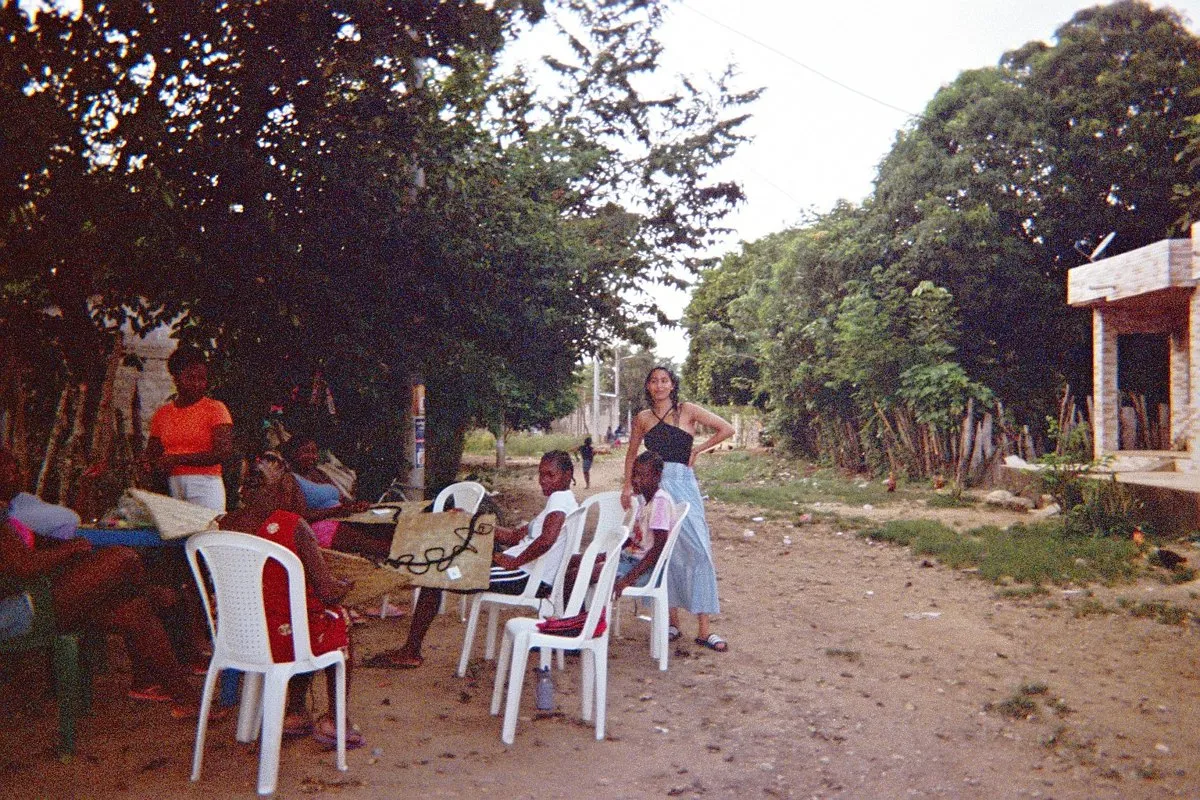
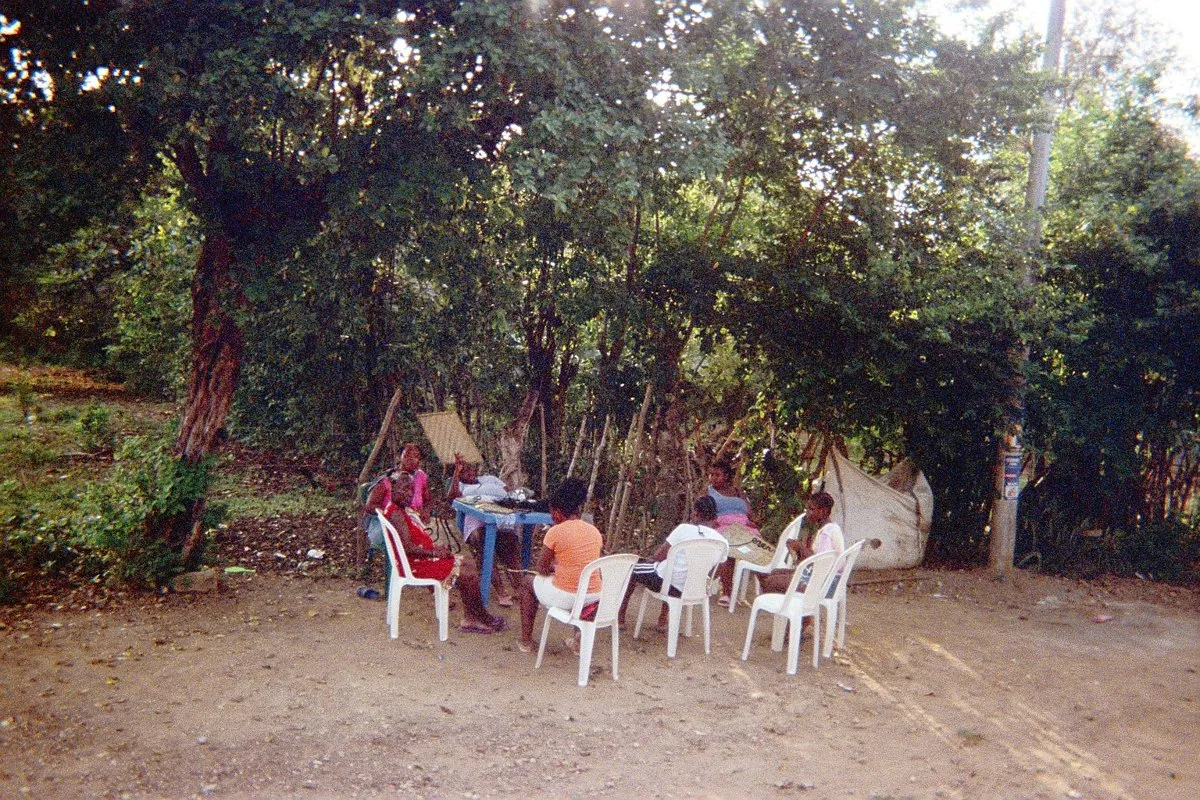
The Colombian Palenqueros have influenced my understanding of community. I encountered a place where people recognise one another by name, by their skills; where families, friendships, and histories are collectively held; where care is woven into everyday interactions. At the same time, this community, like any other, carries its own contradictions. It remains a patriarchal and predominantly binary society in which men often occupy positions of visibility and queerness is not openly embraced. Holding both its generosity and its complexities has been an important part of this research.
Carrying the Echo Home
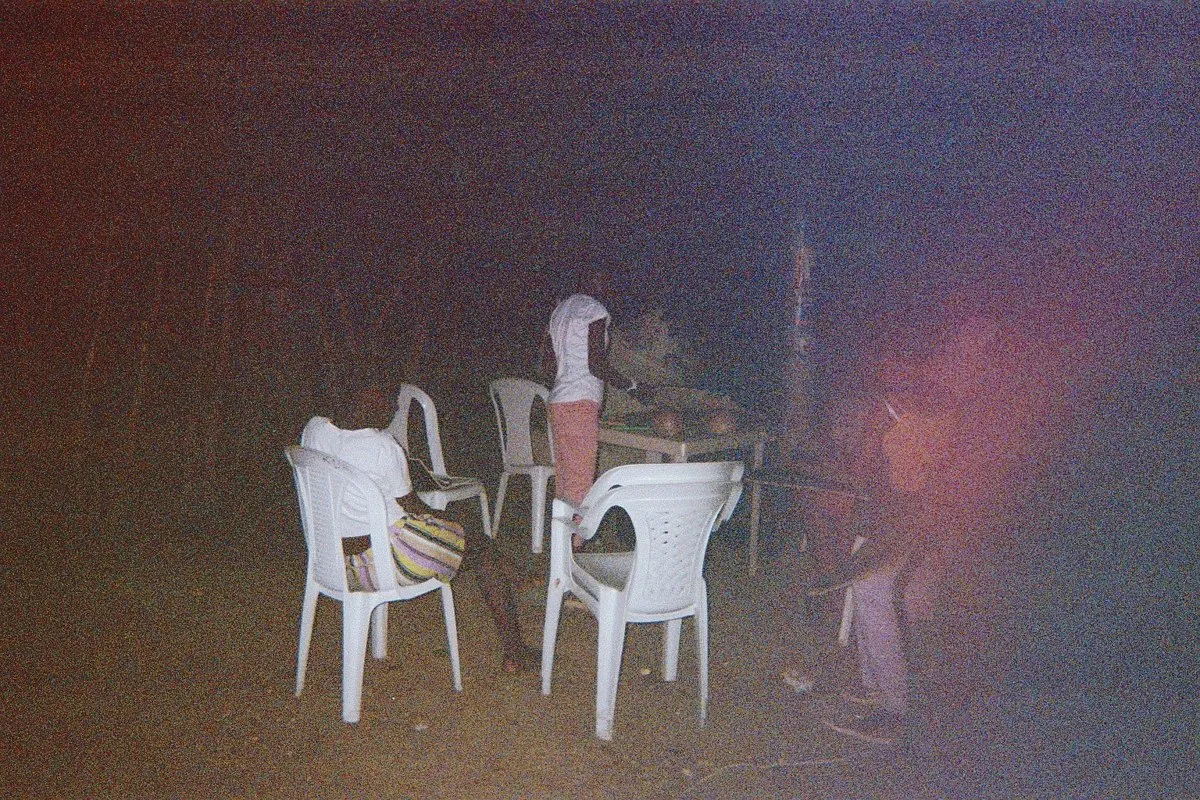
Through it I have tried to pay close attention to notice what often remains unseen. This knowledge acts as a social glue, connecting generations while resisting the cultural erasures imposed through colonial and modern systems. The work I brought back to the Netherlands is not a translation of Palenque but an ongoing attempt to recontextualise what I’ve seen there.
Listening for Maroonage in the West
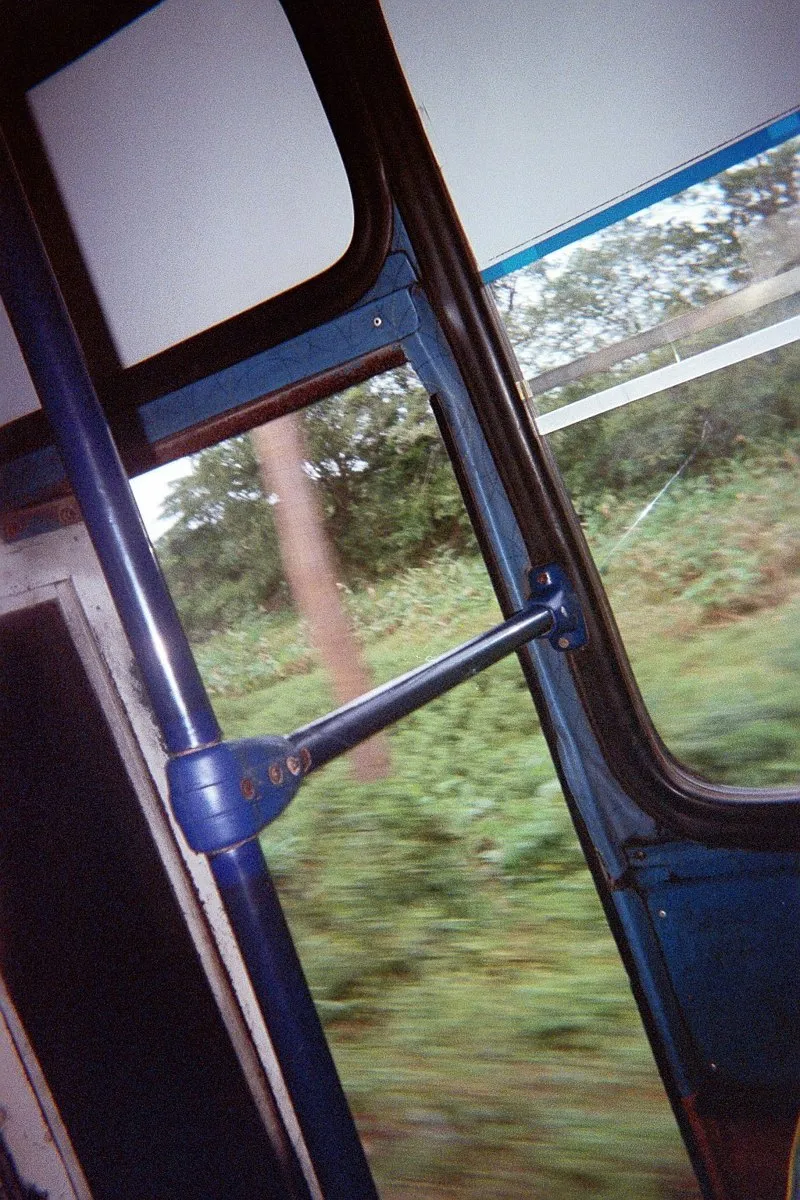
These encounters have also sharpened my awareness of what feels absent in the context where I now live in the Netherlands. They have opened me to the possibility that there may also be shapeshifting forms of resistance within Western contexts that could be understood as maroon practices. This leaves me asking: How do we maroon in the West? What practices sustain a feeling of community here?
As someone reconnecting with my Haitian roots from a diasporic position, emancipation has become an invitation to participate in the collective reimagining of space. Personal freedom reflects not only historical struggles for autonomy but also an ongoing process of understanding my own position as a spatial designer.
Adjusting the Ear
Being in Palenque transformed the way I understand both the world and myself. It was confronting to realise that, in that context, I arrived carrying the perspective of someone from the West. Experiencing this contrast became necessary. It allowed me to better understand the conditions from which I work while recognising both my proximity to and distance from the Global South. As I continue searching for ways to decolonise the mind, I also recognise how deeply colonial structures continue to shape my own ways of seeing.
I have also understood my position as someone who is in between worlds, and I see how mixed identities can act as a bridge between cultures, a way to speak from rather than for. To me, this is extremely important in what I do.
There are forms of collective knowledge that feel scarce where I live and abundant through other cosmovisions, where they continue to circulate through everyday practices and ancestral relations.
At the same time, I remain curious about the forms these practices may take elsewhere. If maroonage is a methodology of collective survival, then how might it continue to exist beyond Palenque? What does maroonage look like in the Netherlands? How do we create spaces of care, resistance, and belonging within contemporary Western contexts?
With deep gratitude to my mentors for the tenderness with which these questions have been held, and to the extraordinary women of El Semillero Colectivo La Reina del Congo for their trust, generosity, care, and precision in bringing this project into being. It has been an immense privilege to learn alongside and from them.
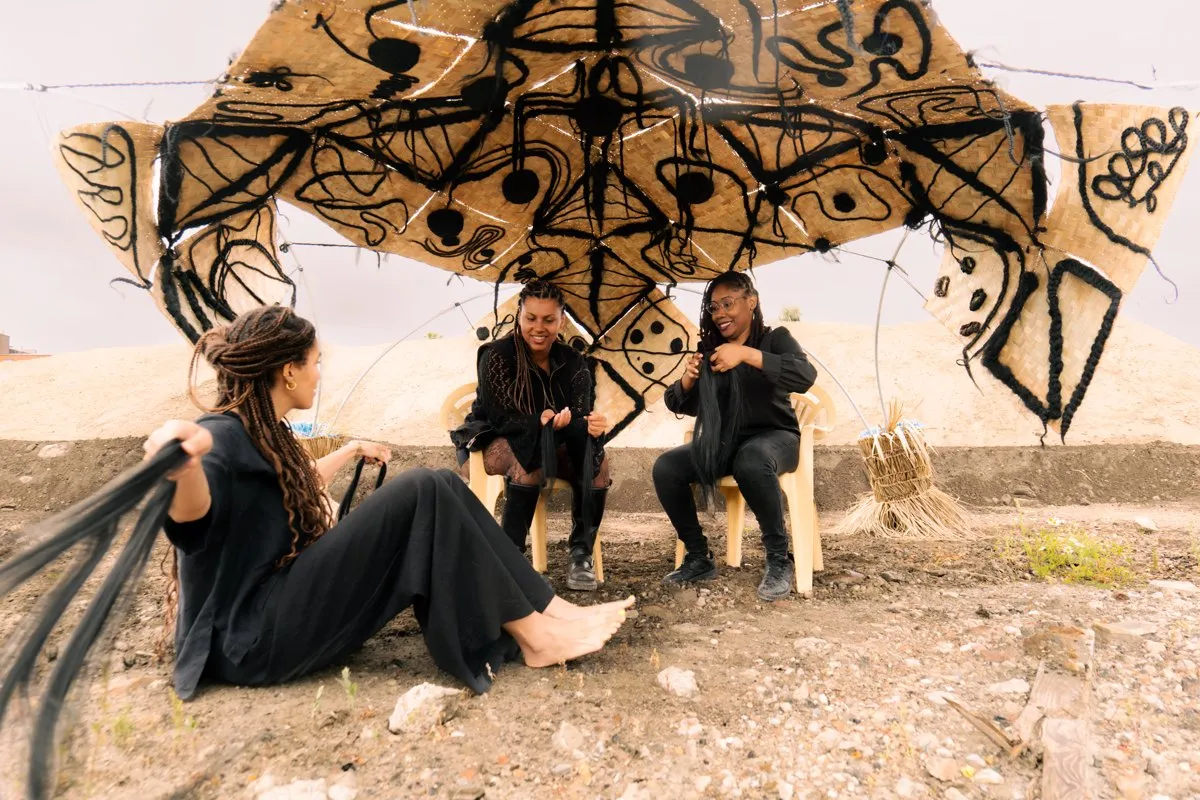
Photographer: Romy Zang